A Case of Psoriasis
Dr. R.Gnanasambandam, MD(hom)
AKP Homoeopathic Clinical Research Centre
6, Lloyds II nd Lane,
Royapettah, Chennai -14.
Tamilnadu - INDIA
Phone :044 - 28113300,
Fax : 91- 44 -28115500
A fifty two years old male presented with severe scaling and peeling of skin since four years. The lesions are more on face, hands, chest, back, both legs. The lesions started first from nose. The lesions are reddish and silvery scaling. Some lesions showed bleeding spots. Itching < night and undressing. Intense burning after scratching Additionally he had breathlessness < cold air, after midnight, dust, winter.
Personal History
He was an Indian Military servant, now under suspension following some irregularities in attending his duties. He is a perfectionist and suspicious over many things. He used to tell some illegal connections between the officers and even the politicians. Married and lives with his wife and son. After suspension he used to tell imaginary stories with day to day news updates and events. He is restless, anxious and fears about his illness. The lesions bother more than his respiratory complaints. Takes bath twice and changes his dress twice daily
Past History
Tendency to take cold treated with modern and Ayurvedic drugs.
Had dyspeptic symptoms after taking packed food, cheese, layssy.
Had urticarial rashes after an insect bite, when he was 12 years old, treated with modern drugs
Family History
Sister had similar problem, Father had depression, and Mother has DM, under treatment.
Treatment History
Initially had Siddha, Ayurvedic, Homoeopathic and finally Allopathic Medicine. Had tried topical applications and steroidal preparations. Uses inhalers and bronchodilators for breathlessness.}
Physical Generals
Appetite : Normal
Thirst : Normal
Stool : Normal
Urine : Normal
Sweat : Profuse, all over
Sleep : Disturbed
Food Type : Vegetarian
Desire : Sweets
Aversion : Nothing particular
Has the habit of tea, coffee
Mental Generals
Mental, intellectual state of mind is anxious, very sensitive and emotional
DIAGNOSIS:
Erythrodermic Psoriasis
Scaly erythematous patches with desquamation in large sheets. Secondary infections with pustules makes diagnosis of “Erythrodermic Psoriasis”or “Exfoliative psoriasis”. Miasmatically the sycotic miasm is dominant in this case and psoric manifestations are active.
We need a prescription based on the surface miasm psora, a remedy which covers the dominant miasm sycosis. More over the remedy will be preferable which matches the whole totality and also constitution
First prescription 01/08/06
R/x-
Ars 1m tds followed with placebo for fifteen days
Discussion
Psoriasis is an incurable disease as termed by the scientific community, but homoeopathy could break the misconception by application of dynamic, energized pills and eradicate completely. In this case the suitable similimum is a polycrest which covered the entire varieties of prescription adapted by homoeopathic prescriptions. The remedy fits constitution, totality and deeply the miasmatic background of the dynamic noxious influence. The suitable similimum has helped for further recurrences with very low intensity and later no recurrence at all.
Wednesday, October 26, 2011


Evidences To Infinitesimal Doses In Homeopathy by Dr Syed Afsar, West Bengal
Evidences to infinitesimal doses in Homoeopathy
Dr.Syed Afsar Ali, MD(Hom)
6/1 Mistry Para lane
P.O.-Entally
Kolkatta
West Bengal
Abstract
Today is the age of evidenced base medicine. Modern science always trying to disapprove efficacy of homoeopathic medicine in the context of high dilution which is a revolutionary discovery of a great scientist Dr. Samuel Hahnemann. Out of all the assertions made by homoeopaths, it is this one on the action of the infinitesimal doses which is utterly rejected by so-called men of science as being impossible.
They point out that in a solution where the solute reaches dilutions beyond Avagadro’s number (6 x 10²³; 12C, 24X, 0/4 potencies and above), that the probability of finding even one molecule of the initial substance goes from extremely small, to almost non-existent. The present article tries to explore the journey of the scienificity of homoeopathic doses since from the days of Hahnemann till the present era in a very concise form.
Introduction
“It has been my rule through life never to accept anything as true, unless it came as near mathematical proof as possible in its domain of science; and, on the other hand, never to reject anything as false, unless there was stronger proof of its falsity.” – Constantine Hering. [Preface,The Guiding Symptoms of our Materia Medica]
The Homeopathic mode of treatment often encourages use of drugs at such ultra-low doses and high dilutions that even the physical existence of a single molecule of the original drug substance becomes theoretically impossible. But homeopathy has sustained for over two hundred years despite periodical challenges thrown by scientists and non-believers regarding its scientificity.
There has been a spurt of research activities on homeopathy in recent years, at clinical, physical, chemical, biological and medical levels with acceptable scientific norms and approach. While clinical effects of some homeopathic drugs could be convincingly shown, one of the greatest objections to this science lies in its inability to explain the mechanism of action of the microdoses based on scientific experimentations and proofs.
Though many aspects of the mechanism of action still remain unclear, serious efforts have now been made to understand the molecular mechanism(s) of biological responses to the potentized form of homeopathic drugs. I begin the present article with Hahnemann’s view on the necessity of keeping an open mind, free from bias, and transcendental speculation which can receive no confirmation from experience.
Homoeopathic Potentization
Hahnemann perplexed by the aggravations resulting from the ordinary doses in his daily medical practice, seeked to find a dose so small that it would not endanger the life. Naturally this led him to reduce the size of the doses. Finding better results with this he continued to reduce the dose.
His idea at first was simply to reduce the “strength” / material mass of the drug but his passion for accuracy led him to adopt a scale i.e., Fifty Millesimal scale which he particularly introduced in 6th edition of Organon of Medicine.
In reducing the density of the mass he perceived that he was setting free powers previously latent and that these powers were the greatest and most efficient for their therapeutic purposes when the remedy so prepared was applied under the principle of Symptom Similarity. First he said it merely as dilution but ceased and named it “potentization”, a process of rendering potent / powerful that which was previously impotent.
Now Homoeopathic Potentization or Dynamization is a mathematico-mechanical process, for the reduction, according to scale of crude, inert and poisonous medicinal substances medicinal substances to a state of physical solubility, physiological assimilability, therapeutic activity and to a state of harmlessness for use as a homoeopathic healing remedies.
The aim of potentization is to reduce all substances designed for therapeutic use to a state of approximately perfect solution and complete ionization which is fully accomplished by infinite dilution.
The greater the dilution, the higher the degree of ionization until, at, Infinite dilution ionization is complete and therapeutic activity is conditionally greatest. The procedure of potentization involves division of matter into particles, differentiations and progressions by which reproduction and propagations of medicinal properties of the drug takes place, and power and qualities of the drug are progressively transformed to the diluting medium.
Scientific foundation of potentization:
The use of the infinitesimal dose in Homoeopathy is an outcome of experience, doctrine having foundation in truth and embodied in the modern scientific theories like:-
1. The Conservation of Energy – the sum total of the energy of the Universe neither increaseses nor decreases but assumes different forms successively.
2. The Conservation of Matter – Matter is indestructible and the total quantity of it in Universe remains the same regardless of the innumerable transformation and permutations constantly taking place.
Mathematically no limits can be assigned to the divisibility of matter. The smallest conceivable part always contains some of the original substance along with its power and qualities. Dynamisation is not merely a process of dilution or attenuation that liberates the pharmaco-dynamic properties of a drug but the friction which is given to the drug with the inert vehicle by a process of succussion or trituration.
So dynamisation is a process of dilution plus friction which brings about the unfolding or intensification of the pharmaco dynamic properties of a drug. Thus Hahnemann started the study of pharmacological and therapeutic properties of drugs to a level of energetic where qualities or force is the primary consideration and matter secondary.
Fincke explained the action and efficiency of infinitesimal doses by applying the “Law of the Least Quantity”, discovered by Maupertius, the Great French mathematican. The principle is stated as follows: “the quantity of action necessary to effect any change the nature is the least possible”. Dr. Fincke says, “the decisive amount is always a minimum, an infinitesimal”.
The law of the Least Action (Maxima Minimis) appears to be essential and necessary complement of the Law of Similars (Similia Similibus) and coordinate with it. According to this principle the curative properties and action of the homoeopathic remedy are governed by its preparation and application. The quality of action of the homoeopathic remedy is determined by its quantity.
So the law of the least action is the posological priniciple of Homoeopathy. Homoeopathy was not created by the discovery of the law of Similars. Many before Hahnemann from Hippocrates down, had glimpses of the law and some tried to make use of it therapeutically but failed because of their inability to properly graduate and adapt the dose. The principle of Similia was of no practical use until the related principle of minimum dose and potentization was discovered. So Homoeopathy became most practicable after this discovery.
To the mind of the mathematican, astronomer or modern physicist, accustomed to think in the terms of the infinitesimal, such quantities present no difficulties, but to the unscientific mind, with its crude conception of constitution of matter, they are unthinkable and incredible. Hahnemann by his discovery of potentization raised Homoeopathy to a level with other natural sciences and created a method analogous to the infinitesimal calculus of mathematics, upon which is based the atomic theory of chemistry; harmonizes with ‘the theory of the interatomic ether of space’,
the theory of the radiant state of matter, the theory of the electric potential of the present physics and with the chemico – cellular theory of physiology and pathological anatomy. Its agrees with modern bacteriology in its explanation of the action of pathogenic microbes as being due to the infinitesimal quantities of their secreted poisons.
It is in harmony with the latest conclusion of modern psychology.
Von Grauvogl has shown that the absorption of inorganic substances by the living organism regulates itself chiefly according to the organic need, hence such
Quantities and in soluble form. Iron offers a good illustration.
Vitamins, Minerals essential for our body are required in minute amount, even plants require minerals (present in various manures and fertilizers) in minute amount.
Substances which in their natural state are unassimilable by the living organism like the minerals / toxic / destructive substances are by homoeopathic mechanical potentization rendered soluble homogenous and assimilable, rendered harmless when prescribed homoeopathically.
They become to the diseased organism what food is to the healthy organism, that is reconstructive which supplies the organic need, restore order and harmony to disordered function and permits a resumption of normal functioning.
Practical experience with homoeopathic high potencies in the treatment of the sick confirms the fundamental postulates of science.
The highest potencies made by Hahnemannian process of dilution are shown to be capable of bringing about a curative reaction in the sick when the remedy is homoeopathic to the case. The effect of homoeopathic dose is augumented by increasing the quantity of liquid in which the medicine is dissolved preparatory to its administration.
Today plenty of research works have been done in various streams of science showing the curative efficacy of homoeopathic high dilutions. The internet is loaded with such research papers which need a global acceptance. The idea of potentization is a gradual growth of development. It is at the same time the most vital and most vulnerable part, the very heart of Homoeopathy.
The present era calls for Prospective studies involving homoeopathic experts who believe in and treat as per Classical Homoeopathy, formulating the protocols/ study designs/ methodology, in conformity with the doctrines of Homoeopathy, particularly for the in-vivo studies and undertaking in vitro studies involving the experts of the concerned areas, by adopting Double blind placebo controlled techniques.
Conclusion
Homoeopathy is a precisely structured doctrine. Even though most of its ideas find their parallels in allopathy, it differs from the latter in that the homoeopathic ideas are mutually consistent and coherent. In this discipline medicines may not be prescribed otherwise than in conformity with Hahnemann’s three rules. Homoeopathy science needs more and more exploration of its principal aspects.
Scientific minded, enthusiastic and meticulous homoeopathic physician should take the challenge with great zeal and perseverance to disprove the false blame of modern science and at the same time co-relate and established relationship of modern scientific advancement with the homoeopathic principles. The day is not far when our science will find a universal acceptance with respect to its scientificity with regards to various controversial facets.
BIBLIOGRAPHY
1. Hahnemann, S. Organon of Medicine. Reprinted 5th & 6th edition, Reprint edition. New Delhi: Indian Book & Periodical Publishers; April 2004.
2. Dudgeon, R.E. Lectures on the theory and practice of Homoeopathy. Reprint edition. New Delhi: B. Jain Publishers (P). Ltd; 2002.
3. Hering, C. The Guiding Symptoms of our Materia Medica. Reprint edition. New Delhi: B. Jain Publishers (P) Ltd.; 2000.
4. Coulter H. L. Homoeopathic Science and Modern Medicine : The Physics of Healing with Microdoses. Reprinted edition. New Delhi: B. Jain Publishers (P) Ltd.; 2004.
5. Mondal & Mondal. A Text Book of Homoeopathic Pharmacy. First Edition. New Central Book Agency (P) Ltd; 1994.
A Case of Vitiligo by Dr Manju, India
From Homeo Times
A Case of Vitiligo
--------------------------------------------------------------------------------
This case study is presented here from the successful case records on Vitiligo treated at AKP Homoeopathic Clinical Research Centre. Dr. Manju has complied this case. She can be contacted at AKP Homoeopathic Clinical Research Centre, # 6, Lloyds IInd Lane, Royapettah, Chennai-600 014.Phone : 91-44-28113300
--------------------------------------------------------------------------------
A girl aged 16 was suffering from white discoloration of the skin in face, waist, around nipples since three years. The lesion appeared on her left nipple and spreaded to other parts of the body.
The lesions are well defined with lines and the borders with brown areas of demarcation. The affected areas were white, milky in colour. Additionally she had headache < sun exposure with tendency to catch cold easily.
Past history
· Had been vaccinated for all communicable disease.
· Had chicken pox when seven years old.
· H/o Trauma to left feet, wound treated with allopathic medicines.
· H/o Honey bee bite when five years old
Family history
· Family history of bronchial asthma, Hypertension.
· No Familial diathesis for vitiligo.
· Mother had uterine complaints
Physical general
· Complexion - Medium
· Stature - Thin
· Appetite - Normal
· Thirst - Normal
· Stool - Regular
· Urine - Normal
· Sweat - Normal
· Sleep - Normal
· Desires - Salty food
· Food Type - Non- Veg
Mental General
Sensitive, irritable, worried, thinks more about her illness, poor in studies, Dreams of day today incidents about school, classroom
First Prescription 12.01.1996
R/x
NM 1m, 3 doses tds and Placebo for 15 days.
Follow Up - 1 30.01.1996
No change
R/x
NM 1m, 3 doses tds
Placebo for 15 days.
Follow Up - 2 08.02.1996
No change
R/x
NM 1m, 3 doses tds
Placebo for 15 days.
Follow Up - 3 19.02.1996
No change
R/x
NM 1m, 3 doses tds
Placebo for 15 days.
Follow Up - 4 04.03.1996
No change
R/x
Ars alb 1m, 3 doses tds
Placebo for 15 days.
Follow Up - 5 25.03.1996
Discolouration in face reduced
R/x
Ars alb 1m, 3 doses tds
Placebo for 15 days.
Follow Up - 6 15.04.1996
Discolouration in face and waist reduced completely.
(Refer the photographs taken before and after treatment).
R/x
Ars alb 1m, 3 doses tds
Placebo for 1 month.
Discussion
The case has been prescribed to the nearing similimum Natrum Mur, but failed to respond. Arsenicum Album was prescribed considering the trio miasmatic base and also the suspected causation insect bite. The miasmatic layer progressively disappeared and improvement sustained until the all lesions disappearing. She had been asked to withdraw her medication and after 7 years her mother reported she was married and has no complaints.
Miasm In Practice
Miasms in practice
The concept of miasm is one among the most controversial topic in homoeopathy. Many state that it is nothing but the microorganisms and few opinions that it is only a dyscrasia and disposition. We also study about the evolution of miasm and the Germ theory of disease is linked in understanding the infectious nature of the disease.
We find difficult to cure a chronic disease, even though a correct similium applied to that particular case. Such cases respond successfully to a follow up prescription which knowingly or unknowingly covering the miasmatic layer.
Hahnemann also faced failures in treating the chronic disease; he was geared to find the solution after 12 years of experiment, contributed the theory of chronic disease. He emphasizes to handle the chronic disease by understanding the miasm. He visualized miasm as a cloud that obstructing the pathway of cure.
He also explained well about the mode of infection through nerves, which could alter the vital force, which lays foundation for understanding the central equilibrium today, applying the action in the nervous, immune, endocrine systems and resulting changes in psyche with individuality.
We hold different types of prescription, which varies from case to case, but practically understanding the miasmatic layers will enable a physician to be very successful in a chronic disease. Miasmatic prescription is a constitutional prescription which brings the original state and understanding of the disease.
Many pioneers confess that they had been successful in treating the incurable disease and also one sided diseases, which gives exclusive name and fame to homoeopathy.
with regards
Dr.R.Gnanasambandam.
Homeo Times
Tuesday, October 18, 2011
Rochester Homeopathic Hospital, New York, USA

HISTORY:
The Rochester Homeopathic Hospital founded in 1887 in New York.
The founding of the Homeopathic hospital came about as a result of the efforts of several of Rochester’s leading Homeopathic physicians led by Dr. Charles Sumner and few other civic leaders.
The Rochester Homeopathic Hospital School of Nursing opened December 1 of 1889, which became a leader in the professionalization of nursing.
In the image: The Women's Motor Corps provided a delivery van for use as a temporary ambulance after the hospital's ambulance was wrecked in an automobile accident.
Anacardium Occidentale

REMEDY OF THE DAY- ANACARDIUM OCCIDENTALE
THE difference is one raised in Asia (orientale) and the
other one rased in America
Anacardium Occidentale. Textually in the Materia Medica
from John Henry Clarke
Cashew Nut. (West Indies.) N. O. Anacardiaceæ.
Tincture of the black juice between outer and inner shell.
(This nut is kidney-shaped, that of Anac. orient. is heart-shaped.)
Clinical.─Corns. Erysipelas. Imbecility. Itching. Paralysis. Rhus poisoning. Ringworm. Small-pox. Warts.
Characteristics.─The effects of the Cashew nut are known through instances of poisoning. It acts powerfully on the skin, causing erysipelas, blisters, and swelling, and has been used as an antidote to Rhus poisoning. The juice has been used locally as an applications to corns, warts, hard excrescences, ringworms, and obstinate ulcers. It causes weakness of memory and mind like A. orient. General paralytic state. Tongue painfully swollen. Vesicular eruption, on face especially. Itching almost intolerable; umbilicated vesicles as in small-pox. The erysipelas spreads from left to right, and it cures erysipelas spreading from right to left; Rhus t. cures cases spreading left to right.
M. M. John Henry Clarke.
Mentally can apply like Anacardium....
Medicina Homeopatica Behhil
Friday, September 2, 2011
Arnica Montana - Homeopathic Medicine

ARNICA MONTANA
Tincture made of whole plant when in flower.
The Queen of TRAUMA - not only physical but mental and emotional, recent trauma or previously years ago.
Dr. Peter Chappell in his book "Emotional
Healing with Homeopathy, a Practical Guide, writes: Arnica is very well known
for her properties to cure bad effects of physical injuries, by coincidence when
a new trauma injure is treated arnica will take away some previous bad effects of any lesion of trauma in the past, and they will disappear,
Dr. Peter Chappell says that the lack of love is the essence to most of the emotional traumas, specially the ones that have a feeling of isolation, abandom, rejecting or lack of confidence and low selfesteem and include fear that also contributes to all traumas. Trauma can also
be do to repressed inside feelings of pain, rage and resentment or tormenting
thoughts like hate, treason or rejection. You all know Arnica's Materia Medica, but arnica can also cure our soul,
This mountain hights rocky flowers with fear to be touched or approached, with
a bruised, all over pain as if beaten, sensitiveness of mind, indifferent,
allways feels well, cannot stand pain cause is so sensible, but never weak and every thing in which he lies is too hard is the Queen of the body and the soul.
Homeopathic Medicine - Digitalis Purpurea

Digitalis Purpurea - Purple Foxglove
Indicated in affections of the heart, with weak, irregular contractions, causing a fluttering sensation. Sense of faintness and fear of death from dread that the heart?s action will suddenly cease. Of great value in organic heart disease, with scantiness of urine and dropsical effusion. Also in hepatic disease with jaundice, ascites, nephritis with cardiac symptoms, percarditis with effusion; pneumonia, especially of the aged, with weakness of the heart?s action. Less often in urethritis, specific and non-specific, and in prostatitis.
Mind sad, fearful, apprehensive.
Great dyspnoea, praecordial anguish, faintness; feels as though dying.
Difficult, irregular, sighing respiration.
Cardiac affections with great dyspnoea and faintness, with pulse irregular and intermittent, small and intermittent, slow and intermittent, small and slow.
Heart feels as though it would stop at any time, causing great distress and anxiety.
Stitches in the heart.
Weak, irregular pulse when lying down; worse from assuming erect position.
Coldness and oedema of feet; coldness of hands.
Dropsy.
Great thirst for sour drinks.
Eructations of watery fluid, so sour it sets his teeth on edge.
Faintness and weakness at the stomach; excessive nausea, not relieved by vomiting.
Soft, white stools, like chalk.
Dark, turbid urine, with much burning and pain while passing; ammoniacal.
Worse when sitting erect; after meals; after excitement.
Tuesday, August 30, 2011


Sunday, August 28, 2011
Condolence To Dr Zaharah Loman
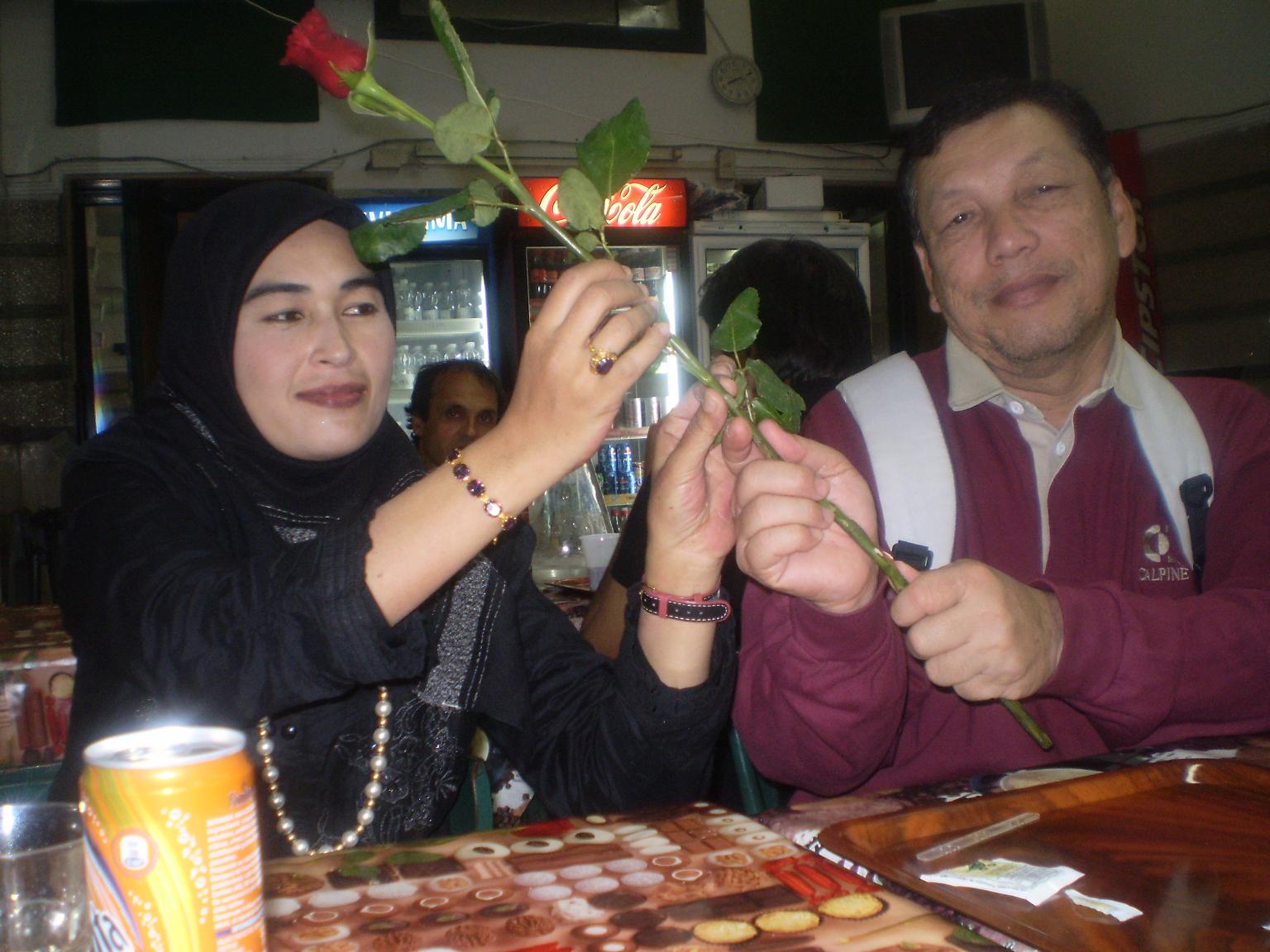
Photo: 1: Dr Zaharah and Dr Nik Omar at Geneva, Switzerland cafe in year 2006
Photo 2: Dr Zaharah is as bikers, we use to ride all over Malaysia, Indonesia and Thailand.


Dr Zaharah Loman [ Wife of Dr Nik Omar ] passed away early morning at 5.00 am on 28 August 2011 at our Gelang Mas, Pasir Mas residence, due to Chronic Rheumatic Heart Disease which she suffered for many years. She left Dr Nik Omar and her three intelligent children by the name of Nik Izuddin Omary, Nik Siti Nurbaya and Nik Azwien Syafiqa.
Dr Zaharah is a qualified BHMS graduate in year 2000 and she received her Diploma in Acupuncture in 2002. She is a good lady Homeopath and Acupuncturist.
She has been practising integrated medicine at Dr Nik Omar Homeopathic Medical Centre at various places .
In year 2001 she started her practise at Kuala Lumpur for 3 years and in 2003 she moved to Pasir Mas and started her professional medical profession till she passed away yesterday.
Who ever came in contact with her was impressed by her sagacity and medical acumen. She has been to many International Homeopathic Conference in India, Pakistan, Malaysia, Belgium and Indonesia.
It is indeed very difficult to fill the gap, created by her sudden death.
Thank you from Dr Nik Omar
Photo 2: Dr Zaharah is as bikers, we use to ride all over Malaysia, Indonesia and Thailand.

Dr Zaharah Loman [ Wife of Dr Nik Omar ] passed away early morning at 5.00 am on 28 August 2011 at our Gelang Mas, Pasir Mas residence, due to Chronic Rheumatic Heart Disease which she suffered for many years. She left Dr Nik Omar and her three intelligent children by the name of Nik Izuddin Omary, Nik Siti Nurbaya and Nik Azwien Syafiqa.
Dr Zaharah is a qualified BHMS graduate in year 2000 and she received her Diploma in Acupuncture in 2002. She is a good lady Homeopath and Acupuncturist.
She has been practising integrated medicine at Dr Nik Omar Homeopathic Medical Centre at various places .
In year 2001 she started her practise at Kuala Lumpur for 3 years and in 2003 she moved to Pasir Mas and started her professional medical profession till she passed away yesterday.
Who ever came in contact with her was impressed by her sagacity and medical acumen. She has been to many International Homeopathic Conference in India, Pakistan, Malaysia, Belgium and Indonesia.
It is indeed very difficult to fill the gap, created by her sudden death.
Thank you from Dr Nik Omar
Friday, August 26, 2011
For Long And Lasting Erection

For long ans lasting erection
You may try homeopathic medication
Homeopathic is natural and organic medicinal product
You need consultation to get good effect
" Dear Sir,
" Thanks for your help. I was nearly broke when my wife asked for divorced as my erection was 100 % lost and I am lost in my way. After taken you homeopathic medication for two months, with the grace of Allah, my erection has come back and now I have almost 100 % of my erection, thanks again."
Dr M. Rehman ,Bangladeshi , a lecturer at local University at Kuala Lumpur.
Low Sperm Counts

Question by a Patient – Dear doctor, I am married for 6 years and still my wife is not able to conceive. As per the reports after my test, it indicates that I have less sperm count. Will Your Medication HTI P2000 help me increasing my sperm count?
Dr Nik – HTI P2000 is a special homeopathic preparation formulated by Dr Nik Omar for the last 30 years. Itis one of the best herbal or organic remedies from homeopathy , that are extremely helpful in treating your low sperm count condition.
HTI P2000 is highly recommended in azoospermia, low sperm counts, oligo-spermia conditions. So it is advisable to you to take consult Dr Nik [ tel 019 9401915 ] as it will help you increasing your sperm count.
Testimonials
Dear Dr Nik:
" Thanks for your help. I was diagnosed as Low Sperm Count and after consulting you and consuming your medication for 4 months , my wife has conceived " Mr Ahmad, Kuala Lumpur.
Dear Dr Omar,
" After taken the small and sweet pills give to me after seeing you last 3 months. I feel more energatic and my sexual performance is much better than before . I am looking forward for my wife to get pregnant soon " - Dr M from Saudi Arabia.
Dear Sir,
" I was impreessed with my friend who has taken your homeopathic medication for few months and his wife got pregnant. I want your to give me the same medication and I have problems of Olio Spermia. Please help me. ", H A D from UAE
Read more info from
http://www.homeopathymalaysia.org.my
For help call 03 4042 2020
Is It Mandatory Shots For B C G ?
MANDATORY SHOTS
Vaccination: BCG
Age: At birth
For: Prevention of tuberculosis
Worst case scenario if you don't get the shot: You can die from TB. It usually affects people whose immune system is compromised, mainly those with cancer and HIV.
“It will prevent to a large extent severe tuberculosis. That means tuberculosis of the blood and the brain. It will not prevent TB of the lung. We don't have anything better for it. It may to some extent help TB of the lung but in most cases, not.
“Some parents don't want to give their children the BCG jab simply because it leaves an ugly scar but I think it's important and TB is a big problem nowadays. It is estimated that almost a third of the world's population harbours the bacteria. It will be a problem when your immune defences are down. That's when it starts to flare up.
“In the past we used to vaccinate the BCG at birth and screen children at school entry and we used to give the second BCG vaccine when they were 12 years of age. We have stopped doing that. Now there is only one BCG vaccination for life. Sometimes for some children there is no scar formation. If we don't see a scar we repeat the BCG otherwise there's only one jab for life.”
Vaccination: Hepatitis B
Age: At birth, 1 month and 5 months
For: Prevention of Hepatitis B
Worst case scenario if you don't get the jab: You can get liver cancer.
“Hepatitis B is endemic in Malaysia. It is transmitted the same way that HIV is – via blood, sexual intercourse. It affects the liver so you get hepatitis, chronic liver damage and jaundice. 10% of carriers will end up with cancer at some point in their life. There's no cure for Hepatitis B.
“We routinely tell parents that if any of their family members – mum, dad or anyone else within the same household – has Hepatitis B, then after the routine vaccination, all the family members, plus the child, need to be checked to ensure they are protected against Hepatitis B. That's the only time we will check the blood. Otherwise, we won't bother checking the blood for Hepatitis B. We just assume they are protected against it.”
Vaccination: The triple (Diphtheria, tetanus and Pertussis) and polio
Age: 3-dose schedule (2-3 months, 3-4 months and 4-5 months) with booster shots given at 18 months-2 years and 5-7 years. In total, five shots.
For: To prevent against diphtheria, tetanus, pertussis and polio
Worst case scenario if you don't get the jab: Diphtheria and tetanus can be fatal. The child might have to be ventilated for pertussis. Polio can affect the lungs, heart and kidneys.
“These are all pre-war diseases. We still have them in Malaysia and throughout the world. People who get diphtheria are those who are not vaccinated against it. We can see it in our illegal immigrants or well-educated parents who oppose the idea of vaccination.
“Diphtheria basically is a bacteria which is soil-bound and it can go through your respiratory tract. It causes a membrane swelling to your throat and if it affects your wind pipe, it can actually block it up and you can die from that. It also releases a toxin into the blood which is harmful to your nerves and heart. It is a disease you can prevent but it's life-threatening.
“Tetanus is lockjaw. Again, you can get this from cuts, bruises and it is soil-bound. It causes muscle spasms, paralysis and seizures. So, it is something you can prevent as well.
“Pertussis is whooping cough. It's a problem in children who are not vaccinated. Children under two months who get pertussis can get it bad. They can end up in the ICU and needing to be ventilated. They cough and cough and cough until they stop breathing.
“The old name for it is the hundred-day cough or the three-month cough. Whatever we do, the child will cough for three months. The treatment for pertussis which is an antibiotic will only prevent pertussis from spreading to another child but once you've established pertussis you can't do anything about it.
“You can only treat and support the child while the coughing episode gets worse and typically that starts around the second week where the coughing gets worse and worse and lasts for about two to three weeks before it gets better.
“Polio is one disease we are trying to eradicate in the world. We used to give oral polio vaccine. I think in some government hospitals they still give the oral polio vaccine but in most private hospitals we give the injection.
“Oral polio vaccine is a live virus but a weakened virus. You can get polio from that. But the risk is very minute – one in a million chance. That's the disadvantage of oral polio vaccine. In the United States they only see vaccine-associated polio, they don't get wild polio. So that's why they have also changed theirs to injection polio vaccine from oral vaccine.”
Thursday, August 25, 2011
Fact About Vaccination - BCG ?
Vaccination Information
This is one of the most important aspect of preventive pediatrics. Immunization in India has still not achieved the goal of "Immunization of All children". Even amongst the doctors there still remains controversy as the specific timing of vaccination. Immunization schedule given below is the most commonly accepted schedule.
National Immunization Schedule
AGE VACCINE ROUTE OF ADMINISTRATION
3 rd day to 3 month B.C.G Intradermal
2 nd Month 1 st dose Polio-OPV Oral
3 rd Month 2 nd dose Polio – OPV
Triple Antigen – DPT
Oral
Intra Muscular
4 th Month 3 rd dose Polio – OPV
Triple Antigen – DPT
Oral
Intra Muscular
5 th Month 4 th dose Polio – OPV
Triple Antigen – DPT
Oral
Intra Muscular
6 th Month 5 th dose Polio – OPV Oral
7 th Month to 9 month Measles Vaccine Subcutaneous
18 Month 1 st Booster Dose of Polio
Triple Antigen – DPT
Oral
Intra Muscular
4 to 5 Year 2 nd Booster Dose Of Polio
Triple Antigen – DPT
Oral
Intra Muscular
Adults Tetanus Toxoid Every 2-5 Year
Measles Vaccine:
Only can be given to a child at the age of 9 month or even before that, if there is an epidemic of measles. A booster dose of MMR should be given at the age of 15-18 months.
Effectiveness of BCG:
Controversy regarding effectiveness of BCG is still going on. BCG does not prevent formation of primary complex but it certainly helps to prevent severe form of Tuberculosis Therefore it should be advised to all neonates
Oral Polio Vaccine
Low grade fever which may appear 12-24 hour after vaccination and lasts for a day or two.
Triple Vaccine
Low grade fever 12-24 hour after the injection
Immunization other than Routine
Cholera
Used only during an epidemic of cholera. It can be combined with TAB vaccine or given alone. Dose 0.5 ml IM or subcutaneous. Children below 2 year will require 0.2 ml and those between 2-10 year require 0.3 ml.
Diabetes Mellitus

Diabetes_Melitus
Diabetes is confirmed by increased blood sugar level. Clinically if a patient exhibits signs and symptoms of diabetes will not be labelled as diabetic patient until and unless his blood sugar level is not increased.
Maintenance of blood sugar level within a range is an auto regulating system, a unique quality, like other regulating systems of a normal healthy person.
Some disturbance develops in this normal regulating system in case of diabetes that creates a hindrance in the normal process of its metabolism.
See a very funny thing that is being practised in conventional medicine, that is, in case of a Diabetic patient we try to spend our whole skills to control the raised blood sugar level (one of an important sign of Diabetes only) and ignore the other signs and symptoms of Diabetes. Whereas, homeopathy pays its whole attention on all symptoms of diabetes not only on raised blood sugar level.
So we people under integrated medicine mostly allow a patient of Diabetes for no restrictions of diet, even little sugar.
Merits of Classical Homeopathy:
It manages the raised blood sugar level but before that it tries to control its complications. Complications of a diabetic patient (such as CRF) should be manage first, then blood sugar level comes down automatically. A diabetic under care of such treatment never complains for sexual inefficiency.
Discussion:
Maintaining of blood sugar level within normal limits does not mean that diabetes is under control for instance - control of fever by means of medicines in case of septicaemia is not a guaranty for control of the basic disease i.e. septicaemia etc. In the similar way normal blood sugar level in a diabetic patient is not a control sign of diabetes itself.
There is no doubt that raised blood sugar level may damage patient's kidneys but such fear remains with modern system of medicine only because it has no drug for Diabetes itself.
While treating a patient homeopathically it has been found that blood sugar level of a diabetic patient starts regulating itself.
Except homeopathy no other medicine can correct the diabetes itself.
It can be judged easily - a normal healthy person can consume sugar without showing signs of raised blood sugar level, patients taking classical homeopathy also can consume sugar without showing any complications, while most patients, taking other medicines can not utilise sugar.
*Notice: Information on this web site is provided for informational purposes only and is not a substitute for professional medical advice. You should not use the information on this web site for diagnosing or treating a medical or health condition. If you have or suspect you have a medical problem, promptly contact your professional healthcare provider.
Statements and information regarding dietary supplements have not been evaluated or approved by the Food and Drug Administration. Please consult your healthcare provider before beginning any course of supplementation or treatment.
Symptoms and signs of Diabetes
1. Frequent trips to the bathroom:
2. Unquenchable Thirst:
3. Losing Weight Without Trying
4. Weakness and Fatigue:
5.Tingling or Numbness in Your Hands, Legs or Feet:
Homeopathic Remedies For Diabetes:
Acid Phos., Diabene, Renocal, Arg Nit., Ars Alb., Sygarium Jamb., Sulphur.
Vagina Tightening

Each woman makes you feel younger and sexy, your confidence and making it easier to be a tight vagina wants to have an orgasm. The laxity of the vagina, especially in women older than thirty years she gave birth and is a significant problem. Levante significantlyextends the vagina during childbirth, and this situation is not easy at all.
How narrow the vagina
Today, many amelyattan aesthetic vaginal tightening vajnaya products have a more strict as possible. Sıkışaltırıcı Vagina products are often recommended by doctor because there are no side effects.
A tight vagina orgasm helps women and sex before makes it more enjoyable. In addition, a tight vagina gives women more confidence and allows you to take morepleasure in men.
Vagina tightening methods;
Cosmetic surgery: the most effective way to tighten the vagina. Most women after childbirth in vagina tightening surgery, but serious complications related to the vagina during and after the operation in the case of doctors başvurulmasının oluşabilme as a last resort to this method highlights.
Creams: The surest way to tighten the vagina is not a side effect of the creams madefrom natural products. In general, these products are derived from plants such as aloevera and majikani tighten the vagina and vaginal dryness, while helping to prevent odors.
The vagina exercises: exercise a lot you can do to tighten the vagina. Kegel exercises and pelvic floor muscle exercises sıkılaştırabilirsiniz vagina, but can cause some problems in this exercise done badly is useful to consult a doctor before.
Try Homeopathic Method
Kemaskan Vagina Anda Dengan Ubat-Ubat Homeopati
Untuk Anjalan Faraj
Some homeopathic product are very effective in in the process of vagina tightening especially after child birth. Somo good homeopathic remedies are: Arnica Montana, Calendula, Rhus Tox., China Off., Ruta., Sepia.
Homeopathic medication must be given according to the law of cure - Similar Similibus Curentur or lets likes be treated with likes.
Difference Between Homeopathic & Allopathy In Treating Renal Failure

Dr Dr Goyal
1) In comparison to life long treatment in allopathy. // Homeopathic medicines can be stopped in 2 to 5 years depending on the severity and underlying cause of the disease.
2) Damaged Kidneys cannot be repaired in allopathy. Modern medicine try to facilitate the bodily waste products to pass out by the process of dialysis through artificial or by transplanted natural kidney and simultaneously by doing forced diuresis with the help of tab. Lasix, Dytor etc. that eventually lead to more damage to the remaining nephrons (renal cells).// Though Homeopathy does not provide any substitute (dialysis or new Kidney) for any organ (Kidney) but it can revive the damaged organ as it has been proved at many times in my treated TB Cases where I always found normal tissue in place of fibrocavitory lesions (Completely damaged tissue).
3) The process of dialysis can not be stopped once a patient starts on it. As the time passes this procedure has to done more frequently. Even doctors cannot imagine that it can be slow down (gap in dialysis can be increased) so they (doctors) compel their patient to come for dialysis more frequently.//Patient's kidneys may start improving as soon as he starts taking homeopathic treatment. It helps the patient withdrawing from dialysis. That's why homeopath advises his patient to increase gap in the subsequent dialysis.
4) There is no curative procedure for CRF in modern medicine. Kidney transplantation and Dialysis does not cure renal failure, but instead keeps a person alive by performing the crucial functions of the kidneys. //But homeopathy stimulates someone's immune system to perform normal functions, in this way damaged kidneys and other organ's functions start improving.
5) There is very high percentage of rejection of new kidney.// If such patient starts taking homeopathic treatment that would minimize the rejection percentage.
6) In allopathic system patient has to spend Rs.5000 to 20000/- per month exclusively on medicines. Expanses of hospital's fee and investigations are superfluous. // Homeopathic treatment cost depends on the severity of disease and knowledge and experience of the doctor, even a costliest doctor's treatment remains quite economical than allopathic expenses
7) In case of kidney transplanted patients kidney's linked diseases like Diabetes mellitus and Hypertension may become uncontrolled instead of taking full medical care.// But Classical Homeopathic treatment not only repairs the damaged kidneys but simultaneously it helps in maintaining the blood sugar level and blood pressure to a normal level.
8) In allopathic system damage is a continuous process, it can be slow down up to a certain limit but cannot be stopped.// Very well selected Homeopathic medicine can stop the further damage of diseased organ without delay and further treatment may revive the damaged tissue.
9) In the similar way it can not treat (correct) the cysts or tumors of kidneys. // It can treat the tumors as well as polycystic kidneys also.
10) Doctors and patient always remain worried about the bio-chemistry (Sodium, potassium, calcium, phosphorus, etc.) otherwise some complications may likely to occur. Even with taking care of all the measures patient starts complaining of symptoms related to electrolyte imbalance almost every day. // Once patient's immunity improves (you can feel it just within days) all organs' functions will start improving simultaneously bio-chemistry also becomes normal naturally.
11) Doctors (except classical homeopaths) remain busy in managing one or the other problem. // Classical Homeopaths have to take lot of time for the first prescription then things become quite easier in comparison to other doctors.
12) Allopathic doctors know that they have very limited role in such cases so they keep on experimenting on different food supplements etc.// While we have enough evidences of more damage to the remaining nephrons by experimenting with any artificial food material or chemicals.
Vagina Discharge and Treatment

Membrane rupture caused by inflammation of the vagina white vaginal discharge or a liquid. Generally, young women are more under the influence. A very common problem among women with vaginal discharge during ovulation may increase fairly. In addition, women under stress is also very much current can be observed.
Infected needles and gloves used in medical examinations, the other with a sexually transmitted disease, sexual intercourse, depilatory creams, excessive use of female condom, the use of synthetic underwear, frequent vaginal discharge may cause an abortion. Fragrant and sticky fluid from the vagina, back and abdominal pain, weakness, vaginal discharge in the formation of rings around the eye symptoms.
By following a regular eating schedule, making sure to clean undergarments and genital area and staying away from stress can prevent vaginal discharge.
Homeopathy Medication Fro Vagina Discharge:
Leucorrhoea: Puls, Sepia, Mang Phos., Aconite, Merc Sol
Gonorrhoea: Medorrhinum, Cicuta, Merc Cor., Sepia, Aconite.
Syhlilis : Syphillunum, Sulphur., Secale, Cicuta, Thuja
Ithayness: Thuja, Sulphu, Merc. Hepar Sulp.
Blood In Semen

Airmani atau Sperma Bercapur darah
What is blood in the semen?
The presence of blood in the semen (ejaculate) is also called hematospermia. Hematospermia is an uncommon condition.
What are the causes of blood in the semen?
Blood in semen can be caused by many conditions affecting the male genitourinary system. Areas affected include the bladder, urethra, the testicles, the tubes that distribute semen from the testicles (known as the seminal vesicles), the epididymis (a segment of the spermatic ducts that serves to store, mature and transport sperm), and the prostate gland.
Blood in the semen is most commonly a result of a prostate-gland biopsy. More than 80% of men who undergo a prostate biopsy may have some blood in their semen that persists for three to four weeks. Likewise, vasectomy can lead to bloody semen for about one week after the procedure.
In men with hematospermia who have not had a recent prostate biopsy or vasectomy, a number of benign and malignant conditions of the male genital system may be the cause. In many situations, no definitive cause is found.
The following conditions have been reported in association with hematospermia:
benign or malignant tumors of the prostate, bladder, testes, or seminal vesicles,
infections (including, but not limited to, chlamydia, herpes, cytomegalovirus, and trichomoniasis),
inflammation of the prostate (prostatitis), epididymis (epididymitis), or urethra (urethritis),
calculi (stones similar to kidney stones) in the seminal vesicles or prostate,
polyps in the urethra,
ejaculation-duct obstructions,
metastatic cancers (that have spread from other sites in the body) located in the genitourinary system, and
cysts, hemorrhage, or other abnormalities in the seminal vesicles.
Bahasa Melayu.
Ubat-Ubat Homeopathy yang sesuai digunakan:
------------------------------------------
Hamemalis, Arnica Mont., Seln., Canthris., Sulphur, Trillium. Semua ubat homeopathy tidak boleh dimakan sebarangan. Ianya harus mengikut gejala penyakit dan harus mendapat nasihat doktor.
Homeopathic Medical Education
Sunday, August 21, 2011
Islamic Medicine : 1000 Years Ahead of Its Times
Islamic Medicine: 1000 years ahead of its times
by Ibrahim B. Syed. Edited by Shahid Athar, M. D.
Within a century after the death of Prophet Muhammad (peace be upon him) the Muslims not only conquered new lands, but also became scientific innovators with originality and productivity. They hit the source ball of knowledge over the fence to Europe. By the ninth century, Islamic medical practice had advanced from talisman and theology to hospitals with wards, doctors who had to pass tests, and the use of technical terminology.
The then Baghdad General Hospital incorporated innovations which sound amazingly modern. The fountains cooled the air near the wards of those afflicted with fever; the insane were treated with gentleness; and at night the pain of the restless was soothed by soft music and storytelling. The prince and pauper received identical attention; the destitute upon discharge received five gold pieces to sustain them during convalescence.
While Paris and London were places of mud streets and hovels, Baghdad, Cairo and Cardboard had hospitals open to both male and female patients; staffed by attendants of both sexes. These medical centers contained libraries pharmacies, the system of interns, externs, and nurses. There were mobile clinics to reach the totally disabled, the disadvantaged and those in remote areas. There were regulations to maintain quality control on drugs.
Pharmacists became licensed professionals and were pledged to follow the physician's prescriptions. Legal measures were taken to prevent doctors from owning or holding stock. in a pharmacy. The extent to which Islamic medicine advanced in the fields of medical education, hospitals, bacteriology, medicine, anesthesia, surgery, pharmacy, ophthalmology, psychotherapy and psychosomatic diseases are presented briefly.
INTRODUCTION
Prophet Muhammad (peace be upon him) who is ranked number one by Michael Hart, a Jewish scholar, in his book The 100: The Most Influential Persons in History, was able to unite the Arab tribes who had been tom by revenge, rivalry, and internal fights, and produced a strong nation acquired and ruled simultaneously, the two known empires at that time, namely the Persian and Byzantine Empires.
The Islamic Empire extended from the Atlantic Ocean on the West to the borders of China on the East. Only 80 years after the death of their Prophet, the Muslims crossed to Europe to rule Spain for more than 700 years. The Muslims preserved the cultures of the conquered lands.
However when the Islamic Empire became weak, most of the Islamic contributions in an and science were destroyed. The Mongols bunt Baghdad (1258 A.D.) out of barbarism, and the Spaniards demolished most of the Islamic heritage in Spain out of hatred.
The Islamic Empire for more than 1000 years remained the most advanced and civilized nation in the world. This is because Islam stressed the importance and respect of learning, forbade destruction, developed in Muslims the respect for authority and discipline, and tolerance for other religions.
The Muslims recognized excellence and hungering intellectually, were avid for the wisdom of the world of Galen, Hippocrates, Rufus of Ephesus, Oribasius, Discorides and Paul of Aegina. By the tenth century their zeal and enthusiasm for learning resulted in all essential Greek medical writings being translated into Arabic in Damascus, Cairo, and Baghdad.
Arabic became the International Language of learning and diplomacy. The center of scientific knowledge and activity shifted eastward, and Baghdad emerged as the capital of the scientific world. The Muslims became scientific innovators with originality and productivity. Islamic medicine is one of the most famous and best known facets of Islamic civilization, and in which the Muslims most excelled.
The Muslims were the great torchbearers of international scientific research. They hit the source ball of knowledge over the fence to Europe. In the words of Campbell' "The European medical system is Arabian not only in origin but also in its structure. The Arabs are the intellectual forebears of the Europeans."
The aim of this paper is to prove that the Islamic Medicine was 1000 years ahead of its times. The paper covers areas such as medical education, hospitals, bacteriology, medicine, anesthesia, surgery, ophthalmology, pharmacy, and psychotherapy.
MEDICAL EDUCATION
In 636 A.D., the Persian City of Jundi-Shapur, which originally meant beautiful garden, was conquered by the Muslims with its great university and hospital intact. Later the Islamic medical schools developed on the Jundi-Shapur pattern. Medical education was serious and systematic.
Lectures and clinical sessions included in teaching were based on the apprentice system. The advice given by Ali ibnul-Abbas (Haly Abbas: -994 -A.D.) to medical students is as timely today as it was then'. "And of those things which were incumbent on the student of this art (medicine) are that he should constantly attend the hospitals and sick houses; pay unremitting attention to the conditions and circumstances of their intimates, in company with the most astute professors of medicine, and inquire frequently as to the state of the patients and symptoms apparent in them, bearing in mind what he has read about these variations, and what they indicate of good or evil."
Razi (Rhazes: 841-926 A.D.) advised the medical students while they were seeing a patient to bear in mind the classic symptoms of a disease as given in text books and compare them with what they found (6).
The ablest physicians such as Razi (Al-Rhazes), Ibn-Sina (Avicenna: 980-1037 A.D.) and Ibn Zuhr (Avenzoar: 116 A.D.) performed the duties of both hospital directors and deans of medical schools at the same time. They studied patients and prepared them for student presentation. Clinical reports of cases were written and preserved for teaching'. Registers were maintained.
Training in Basic Sciences
Only Jundi-Shapur or Baghdad had separate schools for studying basic sciences. Candidates for medical study received basic preparation from private tutors through private lectures and self study. In Baghdad anatomy was taught by dissecting the apes, skeletal studies, and didactics.
Other medical schools taught anatomy through lectures and illustrations. Alchemy was once of the prerequisites for admission to medical school. The study of medicinal herbs and pharmacognosy rounded out the basic training. A number of hospitals maintained barbel gardens as a source of drugs for the patients and a means of instruction for the students.
Once the basic training was completed the candidate was admitted as an apprentice to a hospital where, at the beginning, he was assigned in a large group to a young physician for indoctrination, preliminary lectures, and familiarization with library procedures and uses. During this pre-clinical period, most of the lectures were on pharmacology and toxicology and the use of antidotes.
Clinical training: The next step was to give the student full clinical training. During this period students were assigned in small groups to famous physicians and experienced instructors, for ward rounds, discussions, lectures, and reviews. Early in this period therapeutics and pathology were taught.
There was a strong emphasis on clinical instruction and some Muslim physicians contributed brilliant observations that have stood the test of time. As the students progressed in their studies they were exposed more and more to the subjects of diagnosis and judgment. Clinical observation and physical examination were stressed. Students (clinical clerks) were asked to examine a patient and make a diagnosis of the ailment.
Only after an had failed would the professor make the diagnosis himself. While performing physical examination, the students were asked to examine and report six major factors: the patients' actions, excreta, the nature and location of pain, and swelling and effuvia of the body. Also noted was color and feel of the skin- whether hot, cool, moist, dry, flabby. Yellowness in the whites of the eye (jaundice) and whether or not the patient could bend his back (lung disease) was also considered important (8).
After a period of ward instructions, students, were assigned to outpatient areas. After examining the patients they reported their findings to the instructors. After discussion, treatment was decided on and prescribed. Patients who were too ill were admitted as inpatients. The keeping of records for every patient was the responsibility of the students.
Curriculum:
There was a difference in the clinical curriculum of different medical schools in their courses; however the mainstay was usually internal medicine. Emphasis was placed on clarity and brevity in describing a disease and the separation of each entity. Until the time of Ibn Sina the description of meningitis was confused with acute infection accompanied by delirium. Ibn Sina described the symptoms of meningitis with such clarity and brevity that there is very little that can be added after I 000 yearS6.
Surgery was also included in the curriculum. After completing courses, some students specialized under famous specialists. Some others specialized while in clinical training. According to Elgood9 many surgical procedures such as amputation, excision of varicose veins and hemorrhoids were required knowledge.
Orthopedics was widely taught, and the use of plaster of Paris for casts after reduction of fractures was routinely shown to students. This method of treating fractures was rediscovered in the West in 1852. Although ophthalmology was practiced widely, it was not taught regularly in medical schools. Apprenticeship to an eye doctor was the preferred way of specializing in ophthalmology. Surgical treatment of cataract was very common. Obstetrics was left to midwives.
Medical practitioners consulted among themselves and with specialists. Ibn Sina and Hazi both widely practiced and taught psychotherapy. After completing the training, the medical graduate was not ready to enter practice, until he passed the licensure examination. It is important to note that there existed a Scientific Association which had been formed in the hospital of Mayyafariqin to discuss the conditions and diseases of the patients.
Licensing of Physicians: In Baghdad in 931 A.D. Caliph Al-Muqtadir learned that a patient had died as the result of a physician's error. There upon he ordered his chief physician, Sinan-ibn Thabit bin Qurrah to examine all those who practiced the art of healing. In the first year of the decree more than 860 were examined in Baghdad alone.
From that time on, licensing examinations were required and administered in various places. Licensing Boards were set up under a government official called Muhtasib or inspector general . The Muhtasib also inspected weights and measures of traders and pharmacists. Pharmacists were employed as inspectors to inspect drugs and maintain quality control of drugs sold in a pharmacy or apothecary. What the present Food and Drug Administration (FDA) is doing in America today was done in Islamic medicine I 000 years ago.
The chief physician gave oral and practical examinations, and if the young physician was successful, the Muhtasib administered the Hippocratic oath and issued a license. After 1000 years licensing of physicians has been implemented in the West, particularly in America by the State Licensing Board in Medicine. For specialists we have American Board of Medical Specialties such as in Medicine, Surgery, Radiology, etc.
European medical schools followed the pattern set by the Islamic medical schools and even in the early nineteenth century, students at the Sorbonne could not graduate without reading Ibn Sina's Qanun (Cannon). According to Razi a physician had to satisfy two condition for selection: firs0y, he was to be fully conversant with the new and the old medical literature and secondly, he must have worked in a hospital as house physician.
HOSPITALS
The development of efficient hospitals was an outstanding contribution of Islamic medicine (7). Hospitals served all citizens free without any regard to their color, religion, sex, age or social status. The hospitals were run by government and the directors of hospitals were physicians.
Hospitals had separate wards for male patients and female patients. Each ward was furnished with a nursing staff and porters of the sex of the patients to be treated therein. Different diseases such as fever, wounds, infections, mania, eye conditions, cold diseases, diarrhea, and female disorders were allocated different wards. Convalescents had separate sections within them. Hospitals provided patients with unlimited water supply and with bathing facilities.
Only qualified and licensed physicians were allowed by law to practice medicine. The hospitals were teaching hospitals educating medical students. They had housing for students and house-staff. They contained pharmacies dispensing free drugs to patients. Hospitals had their own conference room and expensive libraries containing the most up-to-date books. According to Haddad, the library of the Tulum Hospital which was founded in Cairo in 872 A.D. (I 100 years ago) had 100,000 books.
Universities, cities and hospitals acquired large libraries (Mustansiriyya University in Baghdad contained 80,000 volumes; the library of Cordova 600,000 volumes; that of Cairo 2,000,000 and that of Tripoli 3,000,000 books), physicians had their own extensive personal book collections, at a time when printing was unknown and book editing was done by skilled and specialized scribes putting in long hours of manual labour.
For the first time in history, these hospitals kept records of patients and their medical care.
From the point of view of treatment the hospital was divided into an out- patient department and an inpatient department. The system of the in-patient department differed only slightly from that of today.
At Tulun hospital, on admission the patients were given special apparel while their clothes, money, and valuables were stored until the time of their discharge. On discharge, each patient - received five gold pieces to support himself until he could return to work.
The hospital and medical school at Damascus had elegant rooms and an extensive library. Healthy people are said to have feigned illness in order to enjoy its cuisine. There was a separate hospital in Damascus for lepers, while, in Europe, even six centuries later, condemned lepers were burned to death by royal decree.
The Qayrawan Hospital (built in 830 A.D. in Tunisia) was characterized by spacious separate wards, waiting rooms for visitors and patients, and female nurses from Sudan, an event representing the first use of nursing in Arabic history. The hospital also provided facilities for performing prayers.
The Al-Adudi hospital (built in 981 A.D. in Baghdad) was furnished with die best equipment and supplies known at the time. It had interns, residents, and 24 consultants attending its professional activities, An Abbasid minister, Ali ibn Isa, requested the court physician, Sinan ibn Thabit, to organize regular visiting of prisons by medical officers (14).
At a time when paris and London were places of mud streets and hovels, Baghdad, Cairo, and Cordova had hospitals which incorporated innovations which sound amazingly modern. It was chiefly in the humaneness of patient care, however, that the hospitals of Islam excelled. Near the wards of those afflicted with fever, fountains cooled the air; the insane were treated with gentleness; and at night music and storytelling soothed the patients.
The Bimaristans (hospitals) were of two types - the fixed and the mobile. The mobile hospitals were transported upon beasts of burden and were erected from time to time as required. The physicians in the mobile clinics were of the same standing as those who served the fixed hospitals.
Similar moving hospitals accompanied the armies in the field. The field hospitals were well equipped with medicaments, instruments, tents and a staff of doctors, nurses, and orderlies. The traveling clinics served the totally disabled, the disadvantaged and those in remote areas. These hospitals were also used by prisoners, and by the general public, particularly in times of epidemics.
BACTERIOLOGY
Al-Razi was asked to choose a site for a new hospital when he came to Baghdad. First he deduced which was the most hygienic area by observing where the fresh pieces of meat he had hung in various parts of the city decomposed least quickly.
Ibn Sina stated explicitly that the bodily secretion is contaminated by foul foreign earthly body before getting the infection. Ibn Khatima stated that man is surrounded by minute bodies which enter the human system and cause disease.
In the middle of the fourteenth century "black death" was ravaging Europe and before which Christians stood helpless, considering it an act of God.
At that time Ibn al Khatib of Granada composed a treatise in the defense of the theory of infection in the following way: To those who say, "How can we admit the possibility of infection while the religious law denies it?" We reply that the existence of contagion is established by experience, investigation, the evidence of the senses and trustworthy reports. These facts constitute a sound argument. The fact of infection becomes clear to the investigator who notices how he who establishes contact with the afflicted gets the disease, whereas he who is not in contact remains safe, and how transmission is effected through garments, vessels and earrings.
Al-Razi wrote the first medical description of smallpox and measles - two important infectious diseases. He described the clinical difference between the two diseases so vividly that nothing since has been added. Ibn Sina suggested the communicable nature of tuberculosis. He is said to have been the first to describe the preparation and properties of sulphuric acid and alcohol. His recommendation of wine as the best dressing for wounds was very popular in medieval practice. However Razi was the first to use silk sutures and alcohol for hemostatis. He was the first to use alcohol as an antiseptic.
ANESTHESIA
Ibn Sina originated the idea of the use of oral anesthetics. He recognized opium as the most powerful mukhadir (an intoxicant or drug). Less powerful anesthetics known were mandragora, poppy, hemlock, hyoscyamus, deadly nightshade (belladonna), lettuce seed, and snow or ice cold water. The Arabs invented the soporific sponge which was the precursor of modem anesthesia. It was a sponge soaked with aromatics and narcotics and held to the patient's nostrils.
The use of anesthesia was one of the reasons for the rise of surgery in the Islamic world to the level of an honourable speciality, while in Europe, surgery was belittled and practiced by barbers and quacks. The Council of Tours in 1163 A.D. declared Surgery is to be abandoned by the schools of medicine and by all decent physicians." Burton stated that "anesthetics have been used in surgery throughout the East for centuries before ether and chloroform became the fashion in civilized West."
SURGERY
Al-Razi is attributed to be the first to use the seton in surgery and animal gut for sutures.
Abu al-Qasim Khalaf Ibn Abbas Al-Zahrawi (930-1013 A.D.) known to the West as Abulcasis, Bucasis or Alzahravius is considered to be the most famous surgeon in Islamic medicine. In his book Al-Tasrif, he described hemophilia for the first time in medical history. The book contains the description and illustration of about 200 surgical instruments many of which were devised by Zahrawi himself.
In it Zahrawi stresses the importance of the study of Anatomy as a fundamental prerequisite to surgery. He advocates the re implantation of a fallen tooth and the use of dental prosthesis carved from cow's bone, an improvement over the wooden dentures worn by the first President of America George Washington seven centuries later.
Zahrawi appears to be the first surgeon in history to use cotton (Arabic word) in surgical dressings in the control of hemorrhage, as padding in the splinting of fractures, as a vaginal padding in fractures of the pubis and in dentistry. He introduced the method for the removal of kidney stones by cutting into the urinary bladder. He was the first to teach the lithotomy position for vaginal operations. He described tracheotomy, distinguished between goiter and cancer of the thyroid, and explained his invention of a cauterizing iron which he also used to control bleeding.
His description of varicose veins stripping, even after ten centuries, is almost like modern surgery. In orthopedic surgery he introduced what is called today Kocher's method of reduction of shoulder dislocation and patelectomy, 1,000 years before Brooke reintroduced it in 1937.
Ibn Sina's description of the surgical treatment of cancer holds true even today after 1,000 years. He says the excision must be wide and bold; all veins running to the tumor must be included in the amputation. Even if this is not sufficient, then the area affected should be cauterized.
The surgeons of Islam practiced three types of surgery: vascular, general, and orthopedic, Ophthalmic surgery was a speciality which was quite distinct both from medicine and surgery. They freely opened the abdomen and drained the peritoneal cavity in the approved modern style. To an unnamed surgeon of Shiraz is attributed the first colostomy operation. Liver abscesses were treated by puncture and exploration.
Surgeons all over the world practice today unknowingly several surgical procedures that Zahrawi introduced 1,000 years ago .
MEDICINE
The most brilliant contribution was made by Al-Razi who differentiated between smallpox and measles, two diseases that were hitherto thought to be one single disease. He is credited with many contributions, which include being the first to describe true distillation, glass retorts and luting, corrosive sublimate, arsenic, copper sulfate, iron sulphate, saltpeter, and borax in the treatment of disease .
He introduced mercury compounds as purgatives (after testing them on monkeys); mercurial ointments and lead ointment." His interest in urology focused on problems involving urination, venereal disease, renal abscess, and renal and vesical calculi. He described hay-fever or allergic rhinitis.
Some of the Arab contributions include the discovery of itch mite of scabies (Ibn Zuhr), anthrax, ankylostoma and the guinea worm by Ibn Sina and sleeping sickness by Qalqashandy. They described abscess of the mediastinum. They understood tuberculosis and pericarditis.
Al Ash'ath demonstrated gastric physiology by pouring water into the mouth of an anesthetized lion and showed the distensibility and movements of the stomach, preceding Beaumont by about 1,000 years" Abu Shal al- Masihi explained that the absorption of food takes place more through the intestines than the stomach. Ibn Zuhr introduced artificial feeding either by gastric tube or by nutrient enema. Using the stomach tube the Arab physicians performed gastric lavage in case of poisoning. Ibn Al-Nafis was the first to discover pulmonary circulation.
Ibn Sina in his masterpiece Al-Quanun (Canon), containing over a million words, described complete studies of physiology, patlhology and hygiene. He specifically discoursed upon breast cancer, poisons, diseases of the skin, rabies, insomnia, childbirth and the use of obstetrical forceps, meningitis, amnesia, stomach ulcers, tuberculosis as a contagious disease, facial tics, phlebotomy, tumors, kidney diseases and geriatric care. He defined love as a mental disease.
OPHTHALMOLOGY
The doctors of Islam exhibited a high degree of proficiency and certainly were foremost in the treatment of eye diseases. Words such as retina and cataract are of Arabic origin. In ophthalmology and optics lbn al Haytham (965-1039 A.D.) known to the West as Alhazen wrote the Optical Thesaurus from which such worthies as Roger Bacon, Leonardo da Vinci and Johannes Kepler drew theories for their own writings.
In his Thesaurus he showed that light falls on the retina in the same manner as it falls on a surface in a darkened room through a small aperture, thus conclusively proving that vision happens when light rays pass from objects towards the eye and not from the eye towards the objects as thought by the Greeks. He presents experiments for testing the angles of incidence and reflection, and a theoretical proposal for magnifying lens (made in Italy three centuries later).
He also taught that the image made on the retina is conveyed along the optic nerve to the brain. Razi was the first to recognize the reaction of the pupil to light and Ibn Sina was the first to describe the exact number of extrinsic muscles of the eyeball, namely six. The greatest contribution of Islamic medicine in practical ophthalmology was in the matter of cataract.
The most significant development in the extraction of cataract was developed by Ammar bin Ali of Mosul, who introduced a hollow metallic needle through the sclerotic and extracted the lens by suction. Europe rediscovered this in the nineteenth century.
PHARMACOLOGY
Pharmacology took roots in Islam during the 9th century. Yuhanna bin Masawayh (777-857 A.D.) started scientific and systematic applications of therapeutics at the Abbasids capital. His students Hunayn bin Ishaq al-lbadi (809-874 A.D.) and his associates established solid foundations of Arabic medicine and therapeutics in the ninth century. In his book al-Masail Hunayn outlined methods for confirming the pharmacological effectiveness of drugs by experimenting with them on humans. He also explained the importance of prognosis and diagnosis of diseases for better and more effective treatment.
Pharmacy became an independent and separate profession from medicine and alchemy. With the wild sprouting of apothecary shops, regulations became necessary and imposed to maintain quality control." The Arabian apothecary shops were regularly inspected by a syndic (Muhtasib) who threatened the merchants with humiliating corporal punishments if they adulterated drugs." As early as the days of al-Mamun and al-Mutasim pharmacists had to pass examinations to become licensed professionals and were pledged to follow the physician's prescriptions. Also by this decree, restrictive measures were legally placed upon doctors, preventing them from owning or holding stock in a pharmacy.
Methods of extracting and preparing medicines were brought to a high art, and their techniques of distillation, crystallization, solution, sublimation, reduction and calcination became the essential processes of pharmacy and chemistry.
With the help of these techniques, the Saydalanis (pharmacists) introduced new drugs such as camphor, senna, sandalwood, rhubarb, musk, myrrh, cassia, tamarind, nutmeg, alum, aloes, cloves, coconut, nuxvomica, cubebs, aconite, ambergris and mercury.
The important role of the Muslims in developing modern pharmacy and chemistry is memorialized in the significant number of current pharmaceutical and chemical terms derived from Arabic: drug, alkali, alcohol, aldehydes, alembic, and elixir among others, not to mention syrups and juleps. They invented flavorings extracts made of rose water, orange blossom water, orange and lemon peel, tragacanth and other attractive ingredients. Space does not permit me to list the contributions to pharmacology and therapeutics, made by Razi, Zahrawi, Biruni, Ibn Butlan, and Tamimi.
PSYCHOTHERAPY
From freckle lotion to psychotherapy- such was the range of treatment practiced by the physicians of Islam. Though freckles continue to sprinkle the skin of 20th century man, in the realm of psychosomatic disorders both al-Razi and Ibn Sina achieved dramatic results, antedating Freud and Jung by a thousand years. When Razi was appointed physician-in-chief to the Baghdad Hospital, he made it the, first hospital to have a ward exclusively devoted to the mentally ill."
Razi combined psychological methods and physiological explanations, and he used psychotherapy in a dynamic fashion, Razi was once called in to treat a famous caliph who had severe arthritis. He advised a hot bath, and while the caliph was bathing, Razi threatened him with a knife, proclaiming he was going to kill him.
This deliberate provocation increased the natural caloric which thus gained sufficient strength to dissolve the already softened humours, as a result the caliph got up from is knees in the bath and ran after Razi. One woman who suffered from such severe cramps in her joints that she was unable to rise was cured by a physician who lifted her skirt, thus putting her to shame. "A flush of heat was produced within her which dissolved the rheumatic humour."
The Arabs brought a refreshing spirit of dispassionate clarity into psychiatry. They were free from the demonological theories which swept over the Christian world and were therefore able to make clear cut clinical observations on the mentally ill.
Najab ud din Muhammad'", a contemporary of Razi, left many excellent descriptions of various mental diseases. His carefully compiled observation on actual patients made up the most complete classification of mental diseases theretofore known." Najab described agitated depression, obsessional types of neurosis, Nafkhae Malikholia (combined priapism and sexual impotence). Kutrib (a form of persecutory psychosis), Dual-Kulb (a form of mania) .
Ibn Sina recognized 'physiological psychology' in treating illnesses involving emotions. From the clinical perspective Ibn Sina developed a system for associating changes in the pulse rate with inner feelings which has been viewed as anticipating the word association test of Jung. He is said to have treated a terribly ill patient by feeling the patient's pulse and reciting aloud to him the names of provinces, districts, towns, streets, and people. By noticing how the patient's pulse quickened when names were mentioned Ibn Sina deduced that the patient was in love with a girl whose home Ibn Sina was able to locate by the digital examination. The man took Ibn Sina's advice , married the girl , and recovered from his illness.
It is not surprising to know that at Fez, Morocco, an asylum for the mentally ill had been built early in the 8th century, and insane, asylums were built by the Arabs also in Baghdad in 705 A.D., in Cairo in 800 A.D., and in Damascus and Aleppo in 1270 A.D. In addition to baths, drugs, kind and benevolent treatment given to the mentally ill, musico-therapy and occupational therapy were also employed. These therapies were highly developed. Special choirs and live music bands were brought daily to entertain the patients by providing singing and musical performances and comic performers as well.
CONCLUSION
1,000 years ago Islamic medicine was the most advanced in the world at that time. Even after ten centuries, the achievements of Islamic medicine look amazingly modern. 1,000 years ago the Muslims were the great torchbearers of international scientific research. Every student and professional from each country outside the Islamic Empire, aspired, yearned, a dreamed to go to the Islamic universities to learn, to work, to live and to lead a comfortable life in an affluent and most advanced and civilized society. Today, in this twentieth century, the United States of America has achieved such a position. The pendulum can swing back. Fortunately Allah has given a bounty to many Islamic countries - an income over 100 billion dollars per year. Hence Islamic countries have the opportunity and resources to make Islamic science and medicine number one in the world, once again.
Dr. Ibrahim B. Syed, Ph.D is Clinical Professor of Medicine, University of Louisville School of Medicine, Louisville, KY 40292 and President, Islamic Research Foundation International, Inc, 7102 W. Shefford Lane, Louisville, KY 40242-6462
Subscribe to:
Posts (Atom)