|
| Pusat Perubatan Homeopathy & Akupunktur Dr Nik Omar |
Wednesday, December 12, 2012


Adakah Bayi anda pusat berbonjol?
 |
| Pusat Bujai |
Tuesday, December 11, 2012
Keselesaan Anda Keutamaan Kami Homeopathy Dr Nik Omar
 |
| Signboard Pusat Perubatan Homeopathy & Acupunture Dr Nik Omar Kuala Lumpur |
 |
| Ruangan menunggu |
 |
| Waiting lounge |
 |
| Kaunter Pembayaran |
 |
| Kaunter Pendaftaran |
 |
| Kaunter Ubat |
 |
| Bilik rawatan perempuan |
 |
| Bilik Rawatan Lelaki |
Wednesday, March 21, 2012
How Is Chemotherapy Given ?
How is chemotherapy given?
Chemotherapy may be given in many ways.
• Injection. The chemotherapy is given by a shot in a muscle in your arm, thigh, or hip or right under the skin in the fatty part of your arm, leg, or belly.
• Intra-arterial (IA). The chemotherapy goes directly into the artery that is feeding the cancer.
• Intraperitoneal (IP). The chemotherapy goes directly into the peritoneal cavity (the area that contains organs such as your intestines, stomach, liver, and ovaries).
• Intravenous (IV). The chemotherapy goes directly into a vein.
• Topically. The chemotherapy comes in a cream that you rub onto your skin.
• Orally. The chemotherapy comes in pills, capsules, or liquids that you swallow.
Things to know about getting chemotherapy through an IV
Chemotherapy is often given through a thin needle that is placed in a vein on your hand or lower arm. Your nurse will put the needle in at the start of each treatment and remove it when treatment is over. Let your doctor or nurse know right away if you feel pain or burning while you are getting IV chemotherapy.
IV chemotherapy is often given through catheters or ports, sometimes with the help of a pump
• Catheters. A catheter is a soft, thin tube. A surgeon places one end of the catheter in a large vein, often in your chest area. The other end of the catheter stays outside your body. Most catheters stay in place until all your chemotherapy treatments are done. Catheters can also be used for drugs other than chemotherapy and to draw blood. Be sure to watch for signs of infection around your catheter.
• Ports. A port is a small, round disc made of plastic or metal that is placed under your skin. A catheter connects the port to a large vein, most often in your chest. Your nurse can insert a needle into your port to give you chemotherapy or draw blood. This needle can be left in place for chemotherapy treatments that are given for more than 1 day. Be sure to watch for signs of infection around your port.
• Pumps. Pumps are often attached to catheters or ports. They control how much and how fast chemotherapy goes into a catheter or port. Pumps can be internal or external. External pumps remain outside your body. Most people can carry these pumps with them. Internal pumps are placed under your skin during surgery.
Chemotherapy may be given in many ways.
• Injection. The chemotherapy is given by a shot in a muscle in your arm, thigh, or hip or right under the skin in the fatty part of your arm, leg, or belly.
• Intra-arterial (IA). The chemotherapy goes directly into the artery that is feeding the cancer.
• Intraperitoneal (IP). The chemotherapy goes directly into the peritoneal cavity (the area that contains organs such as your intestines, stomach, liver, and ovaries).
• Intravenous (IV). The chemotherapy goes directly into a vein.
• Topically. The chemotherapy comes in a cream that you rub onto your skin.
• Orally. The chemotherapy comes in pills, capsules, or liquids that you swallow.
Things to know about getting chemotherapy through an IV
Chemotherapy is often given through a thin needle that is placed in a vein on your hand or lower arm. Your nurse will put the needle in at the start of each treatment and remove it when treatment is over. Let your doctor or nurse know right away if you feel pain or burning while you are getting IV chemotherapy.
IV chemotherapy is often given through catheters or ports, sometimes with the help of a pump
• Catheters. A catheter is a soft, thin tube. A surgeon places one end of the catheter in a large vein, often in your chest area. The other end of the catheter stays outside your body. Most catheters stay in place until all your chemotherapy treatments are done. Catheters can also be used for drugs other than chemotherapy and to draw blood. Be sure to watch for signs of infection around your catheter.
• Ports. A port is a small, round disc made of plastic or metal that is placed under your skin. A catheter connects the port to a large vein, most often in your chest. Your nurse can insert a needle into your port to give you chemotherapy or draw blood. This needle can be left in place for chemotherapy treatments that are given for more than 1 day. Be sure to watch for signs of infection around your port.
• Pumps. Pumps are often attached to catheters or ports. They control how much and how fast chemotherapy goes into a catheter or port. Pumps can be internal or external. External pumps remain outside your body. Most people can carry these pumps with them. Internal pumps are placed under your skin during surgery.
What Is Chemotherapy
What is chemotherapy?
Chemotherapy (also called chemo) is a type of cancertreatment that uses drugs to destroy cancer cells.
How does chemotherapy work?
Chemotherapy works by stopping or slowing the growth of cancer cells, which grow and divide quickly. But it can also harm healthy cells that divide quickly, such as those that line your mouth and intestines or cause your hair to grow. Damage to healthy cells may cause side effects. Often, side effects get better or go away after chemotherapy is over.
What does chemotherapy do?
Depending on your type of cancer and how advanced it is, chemotherapy can:
• Cure cancer - when chemotherapy destroys cancer cells to the point that your doctor can no longer detect them in your body and they will not grow back.
• Control cancer - when chemotherapy keeps cancer from spreading, slows its growth, or destroys cancer cells that have spread to other parts of your body.
• Ease cancer symptoms (also called palliative care) - when chemotherapy shrinks tumors that are causing pain or pressure
How is chemotherapy used?
Sometimes, chemotherapy is used as the only cancer treatment. But more often, you will get chemotherapy along with surgery, radiation therapy, orbiological therapy. Chemotherapy can:
• Make a tumor smaller before surgery or radiation therapy. This is called neo-adjuvant chemotherapy.
• Destroy cancer cells that may remain after surgery or radiation therapy. This is called adjuvant chemotherapy.
• Help radiation therapy and biological therapy work better.
• Destroy cancer cells that have come back (recurrent cancer) or spread to other parts of your body (metastatic cancer).
Chemotherapy (also called chemo) is a type of cancertreatment that uses drugs to destroy cancer cells.
How does chemotherapy work?
Chemotherapy works by stopping or slowing the growth of cancer cells, which grow and divide quickly. But it can also harm healthy cells that divide quickly, such as those that line your mouth and intestines or cause your hair to grow. Damage to healthy cells may cause side effects. Often, side effects get better or go away after chemotherapy is over.
What does chemotherapy do?
Depending on your type of cancer and how advanced it is, chemotherapy can:
• Cure cancer - when chemotherapy destroys cancer cells to the point that your doctor can no longer detect them in your body and they will not grow back.
• Control cancer - when chemotherapy keeps cancer from spreading, slows its growth, or destroys cancer cells that have spread to other parts of your body.
• Ease cancer symptoms (also called palliative care) - when chemotherapy shrinks tumors that are causing pain or pressure
How is chemotherapy used?
Sometimes, chemotherapy is used as the only cancer treatment. But more often, you will get chemotherapy along with surgery, radiation therapy, orbiological therapy. Chemotherapy can:
• Make a tumor smaller before surgery or radiation therapy. This is called neo-adjuvant chemotherapy.
• Destroy cancer cells that may remain after surgery or radiation therapy. This is called adjuvant chemotherapy.
• Help radiation therapy and biological therapy work better.
• Destroy cancer cells that have come back (recurrent cancer) or spread to other parts of your body (metastatic cancer).
How Effective Was Lung Cancer Treatment
How effective was your Lung Cancer treatment?
Some comments
Comment from: 55-64 Male (Patient)Published: October 21
I was diagnosed with stage one non-small cell lung cancer in January of 2011. I was operated on in April for a lobectomy of the upper right lobe. I had no follow up chemo therapy because my oncologist said they caught it early enough where they could more than likely get all of the cancer during the surgery as long as it hasn't spread to my lymph nodes. It has not. I will be going for follow up CAT scans and blood work every six months for a couple of years, and should be fine as long there is no reoccurrence.
Lung Cancer | Cancer
Comment from: annette, 55-64 Male (Caregiver)Published: December 27
The cancer was already in stage 4 when diagnosed. It was in the lining of the left lung and the lymphnode above the lung. I was given chemo treatments for a period of three months, making me very ill. It could not be removed surgically due to being in the lining of the lung. A scan was done showing it wasn't spreading at this time. Three months later it had spread more. I am finishing 16 weeks treatment now with Avastin and different meds. They seem to be helping more.
Comment from: shocked, 75 or over Female (Caregiver)Published: January 06
My mother-87 had stage 3 lung cancer. Very healthy except for this. A smoker for 40 years, she had stopped smoking for 5 years prior to finding out she had cancer. She went through chemo and radiation at the same time. Diagnosed in June- died in Oct of the same year. I would not go through what she did seeing that the treatment killed faster than the actual disease.
Related Reading: Smoking
Comment from: Pat, 65-74 Female (Patient)Published: April 19
I had lung cancer in 1994, which would be 17 years ago. I had my lower right part of my lung removed, and I had no chemotherapy or radiation. I am 70 years old and in good health.
Related Reading: Chemotherapy
Comment from: Georgeanne, 55-64 Female (Patient)Published: March 11
I had a heart attack on Oct. 5. From an X-ray, it showed a mark on my right lung. A CT and PET scan showed it was cancerous. It was only about 2 centimeters in size, but that small thing turned out to be stage III. I had the lower lobe removed and just finished my first round of chemo. I start radiation next week. I'm trying to stay upbeat, but sometimes the fatigue just makes me depressed. The chemo didn't cause any issues with nausea or losing my hair.
Related Reading: Heart Attack | Fatigue
Comment from: tinahen, 55-64 Female (Patient)Published: January 26
I was diagnosed with stage 4 NSLC in July 2008 and put on a trial - had chemo (cysplatin and venorobin) daily for three weeks and 30 sessions of radiotherapy at same time - then two more weeks of chemo - it's January 2012 and I'm still here and feeling good - treatment was very hard going - didn't lose my hair! Still get tired sometimes, but also have rheumatoid arthritis which does not help - am going to be 60 this year and intend to party all the way. Cancer is a word not a sentence - think positive.
Related Reading: Rheumatoid Arthritis
Comment from: Lsprenkle, 45-54 Female (Caregiver)Published: January 12
My uncle has had small cell lung cancer for almost five years. He's only 47 years old and his family is watching him slowly die. He is always in pain and the past month he has lost a lot of weight, he only is 111 lbs and he wants to die. My grandpa died February 14, 2011 he had the same thing but he never got any treatment. My uncle's wife won't let him go but he really isn't living life. I see it in his eyes he wants to go and he has made peace with god.
Comment from: Noah Marcum, 55-64 Male (Patient)Published: July 05
Small Lung Cancer
I was diagnosed with non-small-cell lung cancer. In October of 2010 after I had a lot of tests and procedures done. I had surgery on February 14 of 2011. I had about half of my bottom right lung removed and also about 9 lymph nodes removed. The Doctors say they got it all cut out. I'm now taking 6 chemotherapy treatments. This is given to me intravenously like an IP throw a Port in my chest; I have taking 3 already and got 3 more to go. They do make me really sick and I've lost most of my body hair. (But Thanks To God And My Great Doctors) I'm going to a Lung Cancer Survivor.
I have stage 3 lung cancer I have been through radiation and chemo it is truly a battle but you have to have faith in God to see you through this. I have met some wonder people along the way which gives me more hope. I done 20 rounds of radiation treatment and 8 rounds of chemo with no problems but now I have had the mass removed they said I needed about 3 rounds of chemo I had my 1st round and it took me down my hair is falling out my body is so weak. I told the doctor I didn't want another round he said he would lower the dose by 10 percent. I hope the 10 percent makes a difference.
Comment from: nafisa, 55-64 Male (Caregiver)Published: June 15
My father is a stage 3 lung cancer patient. May 20, 2011 is the worst day in my life because his fnac test came back positive. He had peripheral and pericardial effusion. So the doctor refused to give him any chemotherapy or radiotherapy. Now he is taking tarceva 150mg every day. He is ok now. I don't know how many day will god help us to live with him. Please pray for him.
Comment from: Worried55, 75 or over (Caregiver)Published: May 24
My mum is 82 years old and has suspected NSCLC. Diagnosed last Oct 2010 when SOB was present and water in the pleural area. Now water is normal. But CEA has changed from 250 to 500. She does not have much symptoms apart from right should pain occasionally. CT showed a sizable tumor near the bronchial on the right and some showed in the lymph nodes. (2nd CT actually improved, some small dots are gone in the right lode). Not spread to other parts of the body yet. No treatment so far apart from some claimed Indian-made Irressa, as in China people this age no chemo- or radiation therapy. I am overseas and can only phone my sibling there. Will consider to start GB made Irressa soon - although costs a fortune. My siblings in China do not agree to use this as the cost is one reason; also it's not going to be a cure. It can only prolong life or lessen the suffering. Not sure is it the right decision to use GB made Irressa for treatment.
Related Reading: Tumor | Radiation Therapy
Comment from: Survivor, 55-64 Female (Patient)Published: April 26
I was originally diagnosed in February 2007 with Stage II non-small cell. I had upper left lobe and some lymph nodes removed. Followed by 6 rounds of chemo. Recurrence in August 2008 with 4 rounds of chemo, 33 radiation treatments and began a regimen of daily oral chemo with Tarceva which I am still on today. Please don't ever give up hope and I know how very, very hard it is to hear the news, go through the treatment, and discover that cancer may always be a part of your life. Don't give up hope and try and stay positive. I always looked forward to chemo because I knew it was my quiet time, my angels were with me, and I always imagined it healing me. May God bless each and every one of you.
Comment from: jonas, 13-18 Male (Caregiver)Published: April 26
Lung cancer is really a dangerous disease. After I read this article, I suddenly get affected and remember my father who is smoking. I was just doing a research on my report about this disease and it really helps me. Thanks for this article I will tell my father to quit smoking now and this article was really a great help for my report.
Comment from: Robyn, 55-64 Female (Patient)Published: February 22
I was diagnosed September 2009 with non small cell lung cancer, had left lung resectioned November, started chemotherapy December 2009 continued through February 2010, had radiation on chest May and June 2010. Had seizures in September 2010. The cancer moved to my brain and I had 10 radiation treatments, I was told I am terminal but not actually given a time; I am doing pretty well. I smoked for 46years. I was originally diagnosed in June 2009 with rheumatoid arthritis, my doctor said I was too fit and active to be worried about cancer.
Comment from: Donna, 45-54 Female (Patient)Published: January 26
I had a heart and body scan through my husband's work that they were offering in July 2008. I really didn't want to go but it was free. We went and I was diagnosed with Stage 1A lung cancer. I went through CAT and PET scans right away. The PET scan showed something by the rectal area. I then had a colonoscopy and an internal pelvic exam which all came back negative. I had my top right lobe removed and go for yearly CAT scans now. I still have a fear of not really knowing what the future will bring, but I am very happy to be living life now.
Related Reading: Colonoscopy | Pelvic Exam
Comment from: faith, 55-64 Female (Patient)Published: January 25
In august I had kidney cancer they removed the right kidney, before the surgery they gave me a CAT scan, a small spot showed up on my lung they said it was probably the lungs folding over each other. For three weeks I have had pain in my chest to touch it is in the same spot and is painful to touch. I'm short of breath a lot.
Some comments
Comment from: 55-64 Male (Patient)Published: October 21
I was diagnosed with stage one non-small cell lung cancer in January of 2011. I was operated on in April for a lobectomy of the upper right lobe. I had no follow up chemo therapy because my oncologist said they caught it early enough where they could more than likely get all of the cancer during the surgery as long as it hasn't spread to my lymph nodes. It has not. I will be going for follow up CAT scans and blood work every six months for a couple of years, and should be fine as long there is no reoccurrence.
Lung Cancer | Cancer
Comment from: annette, 55-64 Male (Caregiver)Published: December 27
The cancer was already in stage 4 when diagnosed. It was in the lining of the left lung and the lymphnode above the lung. I was given chemo treatments for a period of three months, making me very ill. It could not be removed surgically due to being in the lining of the lung. A scan was done showing it wasn't spreading at this time. Three months later it had spread more. I am finishing 16 weeks treatment now with Avastin and different meds. They seem to be helping more.
Comment from: shocked, 75 or over Female (Caregiver)Published: January 06
My mother-87 had stage 3 lung cancer. Very healthy except for this. A smoker for 40 years, she had stopped smoking for 5 years prior to finding out she had cancer. She went through chemo and radiation at the same time. Diagnosed in June- died in Oct of the same year. I would not go through what she did seeing that the treatment killed faster than the actual disease.
Related Reading: Smoking
Comment from: Pat, 65-74 Female (Patient)Published: April 19
I had lung cancer in 1994, which would be 17 years ago. I had my lower right part of my lung removed, and I had no chemotherapy or radiation. I am 70 years old and in good health.
Related Reading: Chemotherapy
Comment from: Georgeanne, 55-64 Female (Patient)Published: March 11
I had a heart attack on Oct. 5. From an X-ray, it showed a mark on my right lung. A CT and PET scan showed it was cancerous. It was only about 2 centimeters in size, but that small thing turned out to be stage III. I had the lower lobe removed and just finished my first round of chemo. I start radiation next week. I'm trying to stay upbeat, but sometimes the fatigue just makes me depressed. The chemo didn't cause any issues with nausea or losing my hair.
Related Reading: Heart Attack | Fatigue
Comment from: tinahen, 55-64 Female (Patient)Published: January 26
I was diagnosed with stage 4 NSLC in July 2008 and put on a trial - had chemo (cysplatin and venorobin) daily for three weeks and 30 sessions of radiotherapy at same time - then two more weeks of chemo - it's January 2012 and I'm still here and feeling good - treatment was very hard going - didn't lose my hair! Still get tired sometimes, but also have rheumatoid arthritis which does not help - am going to be 60 this year and intend to party all the way. Cancer is a word not a sentence - think positive.
Related Reading: Rheumatoid Arthritis
Comment from: Lsprenkle, 45-54 Female (Caregiver)Published: January 12
My uncle has had small cell lung cancer for almost five years. He's only 47 years old and his family is watching him slowly die. He is always in pain and the past month he has lost a lot of weight, he only is 111 lbs and he wants to die. My grandpa died February 14, 2011 he had the same thing but he never got any treatment. My uncle's wife won't let him go but he really isn't living life. I see it in his eyes he wants to go and he has made peace with god.
Comment from: Noah Marcum, 55-64 Male (Patient)Published: July 05
Small Lung Cancer
I was diagnosed with non-small-cell lung cancer. In October of 2010 after I had a lot of tests and procedures done. I had surgery on February 14 of 2011. I had about half of my bottom right lung removed and also about 9 lymph nodes removed. The Doctors say they got it all cut out. I'm now taking 6 chemotherapy treatments. This is given to me intravenously like an IP throw a Port in my chest; I have taking 3 already and got 3 more to go. They do make me really sick and I've lost most of my body hair. (But Thanks To God And My Great Doctors) I'm going to a Lung Cancer Survivor.
I have stage 3 lung cancer I have been through radiation and chemo it is truly a battle but you have to have faith in God to see you through this. I have met some wonder people along the way which gives me more hope. I done 20 rounds of radiation treatment and 8 rounds of chemo with no problems but now I have had the mass removed they said I needed about 3 rounds of chemo I had my 1st round and it took me down my hair is falling out my body is so weak. I told the doctor I didn't want another round he said he would lower the dose by 10 percent. I hope the 10 percent makes a difference.
Comment from: nafisa, 55-64 Male (Caregiver)Published: June 15
My father is a stage 3 lung cancer patient. May 20, 2011 is the worst day in my life because his fnac test came back positive. He had peripheral and pericardial effusion. So the doctor refused to give him any chemotherapy or radiotherapy. Now he is taking tarceva 150mg every day. He is ok now. I don't know how many day will god help us to live with him. Please pray for him.
Comment from: Worried55, 75 or over (Caregiver)Published: May 24
My mum is 82 years old and has suspected NSCLC. Diagnosed last Oct 2010 when SOB was present and water in the pleural area. Now water is normal. But CEA has changed from 250 to 500. She does not have much symptoms apart from right should pain occasionally. CT showed a sizable tumor near the bronchial on the right and some showed in the lymph nodes. (2nd CT actually improved, some small dots are gone in the right lode). Not spread to other parts of the body yet. No treatment so far apart from some claimed Indian-made Irressa, as in China people this age no chemo- or radiation therapy. I am overseas and can only phone my sibling there. Will consider to start GB made Irressa soon - although costs a fortune. My siblings in China do not agree to use this as the cost is one reason; also it's not going to be a cure. It can only prolong life or lessen the suffering. Not sure is it the right decision to use GB made Irressa for treatment.
Related Reading: Tumor | Radiation Therapy
Comment from: Survivor, 55-64 Female (Patient)Published: April 26
I was originally diagnosed in February 2007 with Stage II non-small cell. I had upper left lobe and some lymph nodes removed. Followed by 6 rounds of chemo. Recurrence in August 2008 with 4 rounds of chemo, 33 radiation treatments and began a regimen of daily oral chemo with Tarceva which I am still on today. Please don't ever give up hope and I know how very, very hard it is to hear the news, go through the treatment, and discover that cancer may always be a part of your life. Don't give up hope and try and stay positive. I always looked forward to chemo because I knew it was my quiet time, my angels were with me, and I always imagined it healing me. May God bless each and every one of you.
Comment from: jonas, 13-18 Male (Caregiver)Published: April 26
Lung cancer is really a dangerous disease. After I read this article, I suddenly get affected and remember my father who is smoking. I was just doing a research on my report about this disease and it really helps me. Thanks for this article I will tell my father to quit smoking now and this article was really a great help for my report.
Comment from: Robyn, 55-64 Female (Patient)Published: February 22
I was diagnosed September 2009 with non small cell lung cancer, had left lung resectioned November, started chemotherapy December 2009 continued through February 2010, had radiation on chest May and June 2010. Had seizures in September 2010. The cancer moved to my brain and I had 10 radiation treatments, I was told I am terminal but not actually given a time; I am doing pretty well. I smoked for 46years. I was originally diagnosed in June 2009 with rheumatoid arthritis, my doctor said I was too fit and active to be worried about cancer.
Comment from: Donna, 45-54 Female (Patient)Published: January 26
I had a heart and body scan through my husband's work that they were offering in July 2008. I really didn't want to go but it was free. We went and I was diagnosed with Stage 1A lung cancer. I went through CAT and PET scans right away. The PET scan showed something by the rectal area. I then had a colonoscopy and an internal pelvic exam which all came back negative. I had my top right lobe removed and go for yearly CAT scans now. I still have a fear of not really knowing what the future will bring, but I am very happy to be living life now.
Related Reading: Colonoscopy | Pelvic Exam
Comment from: faith, 55-64 Female (Patient)Published: January 25
In august I had kidney cancer they removed the right kidney, before the surgery they gave me a CAT scan, a small spot showed up on my lung they said it was probably the lungs folding over each other. For three weeks I have had pain in my chest to touch it is in the same spot and is painful to touch. I'm short of breath a lot.
Thursday, January 5, 2012


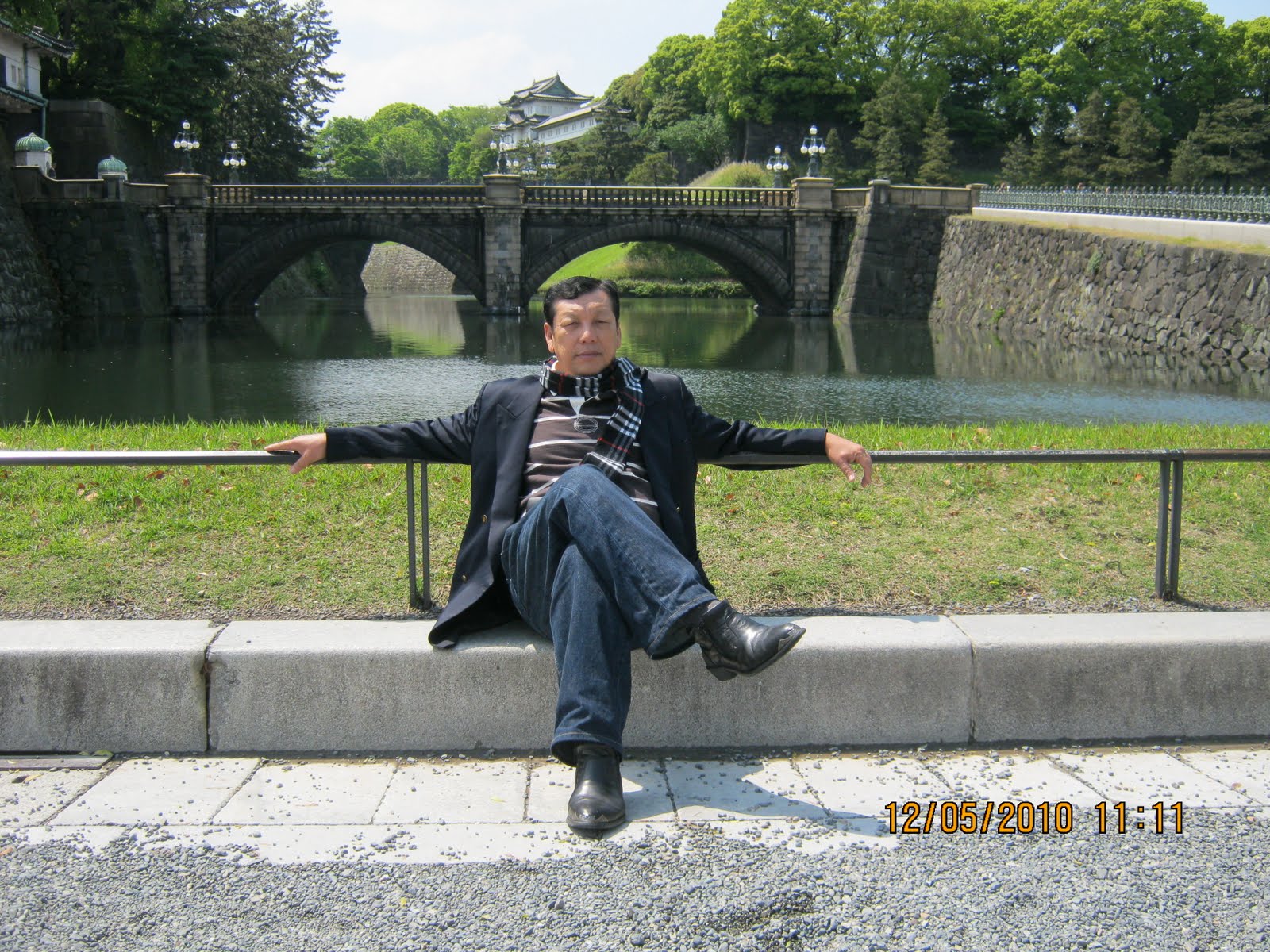

67th International Homeopathic Conference 2012 at Tokyo, Japan

The 66th LMHI _ Liga Medicorum Homeopathic Internationalis Congress
1- 4 December 2011 at New delhi, India
The next 2012 Liga Congress will be at Japan
14 - 17 Sept 2012 at Nara Prefectural New Public Hall, Nara, Japan.
For Malaysian delegates who wish to go to Japan Congress, kindly contact
Prof Dr Nik Omar
Vice President of LMHI Malaysia
http://www.homeopathymalaysia.org.my
Homeopathic Remedies For Cough
Symptoms
From tickling behind sternum or low in chest, dry, hoarse, with wheezing and sawing respiration.
Suggested Medicine
Iodiom
Symptoms
Constant, severe; sounds loose, but no expectoration; distressing dyspnoea, ends in vomiting haemoptysis from slight exertion.
Suggested Medicine
Ipecac.
Symptoms
Harsh.
Suggested Medicine
Kali. bich
Homeopathy Tips, loose cough, rattling cough
Symptoms
Strangling, retching, violent; from uncovering; ends in vomiting.
Suggested Medicine
Heper Sulph
Symptoms
Dry, spasmodic, from tickling; at night.
Suggested Medicine
Hyosymus
Symptoms
Violent; from tickling as of a feather, growing worse the more he coughs; stopped by effort of will.
Suggested Medicine
Ignatia Amm.
Labels: cough, Homeopathy Tips, loose cough, rattling cough, Secrets
Labels: cough, Homeopathy Tips, loose cough, Secrets, whooping cough
Symptoms
With feeling as if sternum were crushed in.
Suggested Medicine
Creosotum
Symptoms
So violent, it seems as though bronchial tube would tear.
Suggested Medicine
Cubeba Off.
Symptoms
Spasmodic, suffocative; with twitching; blue face.
Suggested Medicine
Cuprum Met.
From tickling behind sternum or low in chest, dry, hoarse, with wheezing and sawing respiration.
Suggested Medicine
Iodiom
Symptoms
Constant, severe; sounds loose, but no expectoration; distressing dyspnoea, ends in vomiting haemoptysis from slight exertion.
Suggested Medicine
Ipecac.
Symptoms
Harsh.
Suggested Medicine
Kali. bich
Homeopathy Tips, loose cough, rattling cough
Symptoms
Strangling, retching, violent; from uncovering; ends in vomiting.
Suggested Medicine
Heper Sulph
Symptoms
Dry, spasmodic, from tickling; at night.
Suggested Medicine
Hyosymus
Symptoms
Violent; from tickling as of a feather, growing worse the more he coughs; stopped by effort of will.
Suggested Medicine
Ignatia Amm.
Labels: cough, Homeopathy Tips, loose cough, rattling cough, Secrets
Labels: cough, Homeopathy Tips, loose cough, Secrets, whooping cough
Symptoms
With feeling as if sternum were crushed in.
Suggested Medicine
Creosotum
Symptoms
So violent, it seems as though bronchial tube would tear.
Suggested Medicine
Cubeba Off.
Symptoms
Spasmodic, suffocative; with twitching; blue face.
Suggested Medicine
Cuprum Met.
Homeopathic Remedies For Cough
Symptoms
Tickling in throat as from crumb of bread; crawling; sense of constriction, cough like whooping cough; deep, hoarse, with strangling and vomiting of slime.
Suggested Medicine
Dros Rut.
Symptoms
Loose, spasmodic, with tickling; after long effort raises phlegm; cough with pain in epigastrium which interferes with ability to cough; must press his hand on pit of stomach or hold side in order to cough.
Suggested Medicine
Dulcamara
Symptoms
In morning and during day, never at night; coryza.
Suggested Medicine
Eupharisia
Symptoms
Dry; after meals; dyspnoea and fullness in chest.
Suggested Medicine
Ferrum Phos
Symptoms
With feeling as if sternum were crushed in.
Suggested Medicine
Creosotum
Symptoms
So violent, it seems as though bronchial tube would tear.
Suggested Medicine
Cubeba Off.
Symptoms
Spasmodic, suffocative; with twitching; blue face.
Suggested Medicine
Cuprum Met.
Tickling in throat as from crumb of bread; crawling; sense of constriction, cough like whooping cough; deep, hoarse, with strangling and vomiting of slime.
Suggested Medicine
Dros Rut.
Symptoms
Loose, spasmodic, with tickling; after long effort raises phlegm; cough with pain in epigastrium which interferes with ability to cough; must press his hand on pit of stomach or hold side in order to cough.
Suggested Medicine
Dulcamara
Symptoms
In morning and during day, never at night; coryza.
Suggested Medicine
Eupharisia
Symptoms
Dry; after meals; dyspnoea and fullness in chest.
Suggested Medicine
Ferrum Phos
Symptoms
With feeling as if sternum were crushed in.
Suggested Medicine
Creosotum
Symptoms
So violent, it seems as though bronchial tube would tear.
Suggested Medicine
Cubeba Off.
Symptoms
Spasmodic, suffocative; with twitching; blue face.
Suggested Medicine
Cuprum Met.
First Aid in Homeopathy

Homeopathic Approach: Homeopathic medicines work by subtly stimulating the body’s natural defenses instead of fighting manifestations of a disease or health problem. A Homeopath recommends a treatment remedy based on each individual’s personal make up, and not just the presenting problem. This includes the individual’s unique physical, mental, and emotional characteristics. This is how the homeopathic approach differs from conventional medicine. Homeopathy treats the patient, not the disease.
History: Homeopathic remedies have been around for centuries. They have been proven to treat a wide range of ailments, many times more effectively than other medicines. Particularly successful have been remedies for pain, pediatric ear infections, influenza, fibromyalgia, arthritis, allergies, asthma, headaches and sinus problems. Homeopathic treatments have also proven very effective in treating depression, autism, ADD, and menopausal imbalances. There are even homeopathic veterinarians.
Cost: Homeopathic prescriptions are much less expensive than conventional medicine.
Popularity: As many as a quarter to a fifth of all Europeans use homeopathic medicines. And many European governments provide homeopathic treatment to their citizens, just as they do conventional medicine. Paul McCartney, Mother Theresa, Teresa Heinz Kerry, David Beckham, and Queen Elizabeth, have all publicly expressed their passion for homeopathic treatment. The Queen’s father, King George VI, even named one of his race horses �Hypericum, after the homeopathic remedy that cured his blood poisoning.
For more information visit www.innerhealth.us
Abbreviations Used By Homeopaths: Two abbreviations are used to describe a medicine’s strength or potency. In the United States, the decimal, or x, system is more popular. In Europe, homeopaths use the centisimal, or c, system.
Potency: In both systems, potency is expressed as a number followed by an x or c, such as 3x or 6c. A potency of 1 x means a 1: 10 dilution of the original substance, or one- tenth strength (mix 1 drop of the substance with 9 drops of the dilutant, commonly water or alcohol); 2x means 1: 100, 3x is 1: 1000 and so on. In other words, the number before the x in the decimal system equals the number of zeros in the dilution, so 6x indicates a dilution of 1 part in 1,000,000. A potency of 1c means a 1: 100 dilution. The number before the c means that there are 2 times the number of zeroes in the dilution. For example, 3c means a dilution of 1 part in 1,000,000. (whereas 3x means 1 part in 1,000).
A third scale called millesimal (M) scale is also used by homeopaths. This is denoted by a number followed by the letter M, such as 1M, 2M, etc. A potency of 1M means a dilution of 1 part in 1000. The number before M means that the dilution is 3 times this number. A potency of 2M means a dilution of 1 part in 1,000,000.
How Homeopathic Medicines are Prepared: Homeopathic medicines are not simply diluted. They are also shaken vigorously, or “potentized.” To make a 12x dilution, one drop of the mother tincture is added to 99 drops of the alcohol or water mix and the mixture is shaken vigorously. Then one drop from this mixture is mixed with 99 drops of the dilutant and the mixture is shaken vigorously. The resultant mixture has a dilution of 1 in 10,000 (or 4x). The process is repeated a total of 6 times to get a potency of 12x. Finally, these drops are added to tiny lactose (milk sugar tablets, pillules, granules, or powder and stored in dark colored bottle.
Homeopaths believe that shaking transfers the medicine’s essence to the water used to dilute it. This concept is important because solutions diluted beyond 24x (or 12c) may not contain even a single molecule of the original solution. Homeopaths believe that medicines become stronger as they become more dilute and that even when enormously diluted, the medicine’s “essence” or “energy” remains. Reference
:::::::::::::::::::::::::::::::::::::::::::::::::::
Homoeopathy and Kidney stones: Relief without surgery. Homeopathic remedies are prescribed on the basis of symptoms presented in the sick person. Different individuals, suffering from the same disease, can display entirely different symptoms. At times, a patient may display certain symptoms that are not associated with kidney stones at all.
However, to make it easier to pinpoint the remedies that are most commonly used to treat a particular condition, the symptoms experienced by previous patients are grouped together in the homoeopathic repertory. Symptoms that are commonly experienced by patients who have kidney stones are listed along with the most commonly used medicines that would ease the symptoms.
Common utilized homoeopathic remedies for renal stones:
Aconite - Useful in the acute stage. Urine is scanty, and hot to feel. Urine is at times bloody. Patient perspires profusely. Complaints are aggravated by lying on painful side.
Arnica - Dark brick colored sediment in urine. Painful urination.
Belladonna - Useful remedy when urine is scanty, dark and cloudy, with lots of phosphate stones or when the region over bladder is sensitive. Also used in the treatment of blood in urine.
Berberis vulgaris - Used in the treatment of patients who complain of sensation of some urine remaining after urination, or in those whose urine contains mucus with sediments. Also used in the treatment of bubbling sensation in kidneys, pain in loins and thighs during urination, marked soreness in lumbar region. With pain radiating to the groin
Calcarea carbonicum - Used when patient complains of dark brown colored urine. Urine is often bloody or with white sediments.
Cantharis - This is used when symptoms come on with marked intensity and rapidity. Burning is a marked feature in this remedy. Whole of the urinary system seems to be in an inflammed state. Desire to defecate while urinating is also present.
Colocynthus - Intense burning along urethra when patient passes stools. Hard red crystals in urine, that sticks to vessel. Pain on urinating radiates all over abdomen. Pain is relieved by bending forward.
Nitric acid - Used for renal colic where pain is likened to that of splinters. Urine is scanty, dark and offensive. Typically, urine is strong smelling, like horse urine. At times urine is aluminous.
Lycopodium - Primarily useful in healing right sided complaints. Patient is emaciated from above downwards. The complaints seem to peculiarly aggravate between 4-8 P.M. There are many symptoms pointing to pathology in the kidney. Red sand appears copiously in urine in acute conditions. It is indicated for retention of urine.
Sarsaparilla - Very good remedy that helps during renal colic. Urine is scanty, sandy, often blood tinged. Urine dribbles on sitting. Renal colic in children can be treated with this remedy. Child screams in pain before urination, and there is sand in the child’s diaper. Pain radiates from right kidney into the flanks.
Conclusion: Although we live in an age when quick fixes are the order of the day, more and more people are testing the waters of complementary medicine. This is probably due to the increased awareness regarding the adverse side effects of the long-term use of conventional medicines. Homeopathy not only treats the symptoms of a disease but also tries to root out the underlying cause. Besides providing individualized treatment, this system of medicine has very little side effects and is entirely affordable by all. Reference
Homeopathic Remedies for First Aid Emergencies
by Erika Price, DHM
Medicine and Air Travelling Rules & regulation
Medications
photo of tablets and pills
All medications in any form or type (for instance, pills, injectables, or homeopathic) and associated supplies (syringes, Sharps disposal container, pre-loaded syringes, jet injectors, pens, infusers, etc.) are allowed through the security checkpoint once they have been screened. Atropens, an auto-injection system that can help treat many emergency conditions (low heart rate, breathing problems, and excess saliva related to insecticide, nerve gas or mushroom poisoning) are also allowed.
We do not require that your medications be labeled.
Carbon dioxide (CO2) migraine inhalers and CO2 refills.
Medications in daily dosage containers are allowed through the checkpoint once they have been screened.
Medication and related supplies are normally X-rayed. However, as a customer service, TSA now allows you the option of requesting a visual inspection of your medication and associated supplies.
* You must request a visual inspection before the screening process begins; otherwise your medications and supplies will undergo X-ray inspection.
* If you would like to take advantage of this option, please have your medication and associated supplies separated from your other property in a separate pouch/bag when you approach the Security Officer at the walk-through metal detector.
* Request the visual inspection and hand your medication pouch/bag to the Security Officer.
* In order to prevent contamination or damage to medication and associated supplies and/or fragile medical materials, you will be asked at the security checkpoint to display, handle, and repack your own medication and associated supplies during the visual inspection process.
* Any medication and/or associated supplies that cannot be cleared visually must be submitted for X-ray screening. If you refuse, you will not be permitted to carry your medications and related supplies into the sterile area.
photo of tablets and pills
All medications in any form or type (for instance, pills, injectables, or homeopathic) and associated supplies (syringes, Sharps disposal container, pre-loaded syringes, jet injectors, pens, infusers, etc.) are allowed through the security checkpoint once they have been screened. Atropens, an auto-injection system that can help treat many emergency conditions (low heart rate, breathing problems, and excess saliva related to insecticide, nerve gas or mushroom poisoning) are also allowed.
We do not require that your medications be labeled.
Carbon dioxide (CO2) migraine inhalers and CO2 refills.
Medications in daily dosage containers are allowed through the checkpoint once they have been screened.
Medication and related supplies are normally X-rayed. However, as a customer service, TSA now allows you the option of requesting a visual inspection of your medication and associated supplies.
* You must request a visual inspection before the screening process begins; otherwise your medications and supplies will undergo X-ray inspection.
* If you would like to take advantage of this option, please have your medication and associated supplies separated from your other property in a separate pouch/bag when you approach the Security Officer at the walk-through metal detector.
* Request the visual inspection and hand your medication pouch/bag to the Security Officer.
* In order to prevent contamination or damage to medication and associated supplies and/or fragile medical materials, you will be asked at the security checkpoint to display, handle, and repack your own medication and associated supplies during the visual inspection process.
* Any medication and/or associated supplies that cannot be cleared visually must be submitted for X-ray screening. If you refuse, you will not be permitted to carry your medications and related supplies into the sterile area.
Traveling With Disabilities and Medical Conditions
Hidden Disabilities
Travelers with Disabilities and Medical Conditions
* Pacemakers, Defibrillators, Other Implanted Medical Devices, & Metal Implants
* Medical Oxygen and Respiratory-Related Equipment
* Diabetes
* Medications
* Persons with a hidden disability can, if they choose, advise Security Officers that they have a hidden disability and may need some assistance, or need to move a bit slower than others.
* Family members or traveling companions can advise Security Officers when they are traveling with someone who has a hidden disability, which may cause that person to move a little slower, become agitated easily and/or need additional assistance.
* Family members or traveling companions can offer suggestions to Security Officers on the best way to approach and deal with the person with a hidden disability, especially when it is necessary to touch the person during a pat-down inspection.
* Family member or traveling companions can stay with the person during a public or private screening; however, they may be required to be rescreened if they provide assistance to the person.
* Notify the Security Officer if you need to sit down before and/or during the screening process.
Pacemakers, Defibrillators, Other Implanted Medical Devices, & Metal Implants
* If you have implanted medical device, that you would like to remain private and confidential, ask the Security Officer to please be discreet when assisting you through the screening process.
* It is recommended (but not required) that individuals with a pacemaker carry a Pacemaker Identification Card (ID) when going through airport security. Show the Security Officer your pacemaker ID, if you have one, and ask the Security Officer to conduct a pat-down inspection rather than having you walk-through the metal detector or be handwanded.
* It is recommended (but not required) that you advise the Security Officer that you have an implanted pacemaker, other implanted medical device, or metal implant and where that implant is located.
* Security Officer will offer you a private screening once it becomes known that you have a metal implant or implanted medical device.
* If your Doctor has indicated that you should not go through the metal detector or be handwanded because it could affect the functionality of your device or the magnetic calibration of your device, or if you are concerned, ask the Security Officer for a pat-down inspection instead.
* Security Officers will need to resolve all alarms associated with metal implants. Most alarms will be able to be resolved during a pat-down, therefore clothing will not be required to be removed or lifted as part of the inspection process.
Back To Top
Medical Oxygen and Respiratory-Related Equipment
Supplemental personal medical oxygen and other respiratory-related equipment and devices (e.g. nebulizer, respirator) are permitted through the screening checkpoint once they have undergone screening.
Any respiratory equipment that cannot be cleared during the inspection process will not be permitted beyond the screening checkpoint.
Persons connected to oxygen:
* Inform the Security Officer if your oxygen supply or other respiratory-related equipment cannot be safely disconnected.
* Only you can disconnect yourself to allow for your oxygen canister/system to be X-rayed.
* Check with your Doctor prior to coming to the checkpoint to ensure disconnection can be done safely.
* If your Doctor has indicated that you cannot be disconnected or if you are concerned, ask the Security Officer for an alternate inspection process while you remain connected to your oxygen source.
* Infants will remain connected to their apnea monitors throughout the screening process. Apnea monitors will be screened while remaining connected to the infant.
* Oxygen equipment will either undergo X-ray screening (only disconnected oxygen equipment) or physical inspection, and explosive trace detection inspection.
Oxygen suppliers or persons carrying oxygen supply:
* An oxygen supplier or personal assistant may accompany you to the gate or meet you at the gate once they have obtained a valid gate pass from the appropriate aircraft operator.
* Persons carrying his/her supply must have a valid boarding pass or valid gate pass to proceed through the security checkpoint.
* Oxygen being carried by the supplier or person will either undergo X-ray screening and explosive trace detection sampling.
Oxygen and Arrangements
Passengers are responsible for making the arrangements with:
* The airline(s) for supplemental Oxygen onboard the aircraft.
* Local providers for oxygen use during any layover stop(s) and at the final destination.
* The airline, friends, relatives or a local supplier for removal of the canister from the originating airport's gate area immediately after you leave the gate area to board the aircraft.
You must make similar arrangements for your return trip. Please, check the procedures outlined below for details. More information on airline accommodations for oxygen users can be found at the National Home Oxygen Patient's Association web site. You can also download the "Airline Travel With Oxygen" brochure. This publication provides valuable information on traveling with oxygen, including airlines that do and do not provide in-flight supplemental oxygen.
When You Make Your Reservation:
Arranging for Supplemental Oxygen (O2) Aboard the Aircraft
* Neither the Air Carrier Access Act nor the Americans with Disabilities Act require airlines to provide oxygen service. Consequently, airline policies, procedures and services on accommodating passengers who use supplemental oxygen vary widely.
* Notify the carrier when you make your reservation that you will need to use supplemental oxygen aboard the aircraft(s).
* Ask about the airline's policies on the use of supplemental O² onboard. Federal regulations prohibit airlines from allowing passengers to bring their own oxygen canisters aboard to use during the flight. Passengers who use oxygen canisters must purchase canisters from the airline for use during the flight. However, some airlines do permit passengers to bring aboard oxygen concentrators, which do not contain oxygen, and use them during the flight. Policies vary from carrier to carrier, so be sure to check with your airline well in advance.
* Keep in mind that not all airlines offer supplemental oxygen service, or may not offer it aboard all their aircraft. Inquire whether: 1) the airline provides oxygen service, 2) it is available on the flights you wish to take, and 3) you must provide a doctor's letter, or permit them to contact your doctor directly to verify your medical need.
Arranging for Supplemental Oxygen during Layovers or at Your Destination
* Notify the carrier(s) you are traveling with that you will need oxygen at the airport(s). Let them know that your O² supplier will be meeting you at the gate with an O² canister.
* Ask about their policy for allowing O² suppliers to meet you at the layover airports and/or at your destination gate.
* Contact your O² supplier and request that they make arrangements for your O² at the city or cities you'll require. The supplier will need to know the airline(s) you'll be using, departure and arrival dates and time, departure and arrival gates, flight number(s), arrival time(s), and the equipment you will need. Make all these arrangements as soon as possible.
* If a representative from the oxygen-providing company is going to meet your flight with an O² canister, arrange for your flight(s) to arrive during the supplier's normal business hours, if possible. Also, have a local phone number and a contact person in the event of any unforeseen situation(s), such as if their representative is not at the arrival gate when you get there.
Back To Top
Diabetes
Travelers with Disabilities and Medical Conditions
* Pacemakers, Defibrillators, Other Implanted Medical Devices, & Metal Implants
* Medical Oxygen and Respiratory-Related Equipment
* Diabetes
* Medications
* Persons with a hidden disability can, if they choose, advise Security Officers that they have a hidden disability and may need some assistance, or need to move a bit slower than others.
* Family members or traveling companions can advise Security Officers when they are traveling with someone who has a hidden disability, which may cause that person to move a little slower, become agitated easily and/or need additional assistance.
* Family members or traveling companions can offer suggestions to Security Officers on the best way to approach and deal with the person with a hidden disability, especially when it is necessary to touch the person during a pat-down inspection.
* Family member or traveling companions can stay with the person during a public or private screening; however, they may be required to be rescreened if they provide assistance to the person.
* Notify the Security Officer if you need to sit down before and/or during the screening process.
Pacemakers, Defibrillators, Other Implanted Medical Devices, & Metal Implants
* If you have implanted medical device, that you would like to remain private and confidential, ask the Security Officer to please be discreet when assisting you through the screening process.
* It is recommended (but not required) that individuals with a pacemaker carry a Pacemaker Identification Card (ID) when going through airport security. Show the Security Officer your pacemaker ID, if you have one, and ask the Security Officer to conduct a pat-down inspection rather than having you walk-through the metal detector or be handwanded.
* It is recommended (but not required) that you advise the Security Officer that you have an implanted pacemaker, other implanted medical device, or metal implant and where that implant is located.
* Security Officer will offer you a private screening once it becomes known that you have a metal implant or implanted medical device.
* If your Doctor has indicated that you should not go through the metal detector or be handwanded because it could affect the functionality of your device or the magnetic calibration of your device, or if you are concerned, ask the Security Officer for a pat-down inspection instead.
* Security Officers will need to resolve all alarms associated with metal implants. Most alarms will be able to be resolved during a pat-down, therefore clothing will not be required to be removed or lifted as part of the inspection process.
Back To Top
Medical Oxygen and Respiratory-Related Equipment
Supplemental personal medical oxygen and other respiratory-related equipment and devices (e.g. nebulizer, respirator) are permitted through the screening checkpoint once they have undergone screening.
Any respiratory equipment that cannot be cleared during the inspection process will not be permitted beyond the screening checkpoint.
Persons connected to oxygen:
* Inform the Security Officer if your oxygen supply or other respiratory-related equipment cannot be safely disconnected.
* Only you can disconnect yourself to allow for your oxygen canister/system to be X-rayed.
* Check with your Doctor prior to coming to the checkpoint to ensure disconnection can be done safely.
* If your Doctor has indicated that you cannot be disconnected or if you are concerned, ask the Security Officer for an alternate inspection process while you remain connected to your oxygen source.
* Infants will remain connected to their apnea monitors throughout the screening process. Apnea monitors will be screened while remaining connected to the infant.
* Oxygen equipment will either undergo X-ray screening (only disconnected oxygen equipment) or physical inspection, and explosive trace detection inspection.
Oxygen suppliers or persons carrying oxygen supply:
* An oxygen supplier or personal assistant may accompany you to the gate or meet you at the gate once they have obtained a valid gate pass from the appropriate aircraft operator.
* Persons carrying his/her supply must have a valid boarding pass or valid gate pass to proceed through the security checkpoint.
* Oxygen being carried by the supplier or person will either undergo X-ray screening and explosive trace detection sampling.
Oxygen and Arrangements
Passengers are responsible for making the arrangements with:
* The airline(s) for supplemental Oxygen onboard the aircraft.
* Local providers for oxygen use during any layover stop(s) and at the final destination.
* The airline, friends, relatives or a local supplier for removal of the canister from the originating airport's gate area immediately after you leave the gate area to board the aircraft.
You must make similar arrangements for your return trip. Please, check the procedures outlined below for details. More information on airline accommodations for oxygen users can be found at the National Home Oxygen Patient's Association web site. You can also download the "Airline Travel With Oxygen" brochure. This publication provides valuable information on traveling with oxygen, including airlines that do and do not provide in-flight supplemental oxygen.
When You Make Your Reservation:
Arranging for Supplemental Oxygen (O2) Aboard the Aircraft
* Neither the Air Carrier Access Act nor the Americans with Disabilities Act require airlines to provide oxygen service. Consequently, airline policies, procedures and services on accommodating passengers who use supplemental oxygen vary widely.
* Notify the carrier when you make your reservation that you will need to use supplemental oxygen aboard the aircraft(s).
* Ask about the airline's policies on the use of supplemental O² onboard. Federal regulations prohibit airlines from allowing passengers to bring their own oxygen canisters aboard to use during the flight. Passengers who use oxygen canisters must purchase canisters from the airline for use during the flight. However, some airlines do permit passengers to bring aboard oxygen concentrators, which do not contain oxygen, and use them during the flight. Policies vary from carrier to carrier, so be sure to check with your airline well in advance.
* Keep in mind that not all airlines offer supplemental oxygen service, or may not offer it aboard all their aircraft. Inquire whether: 1) the airline provides oxygen service, 2) it is available on the flights you wish to take, and 3) you must provide a doctor's letter, or permit them to contact your doctor directly to verify your medical need.
Arranging for Supplemental Oxygen during Layovers or at Your Destination
* Notify the carrier(s) you are traveling with that you will need oxygen at the airport(s). Let them know that your O² supplier will be meeting you at the gate with an O² canister.
* Ask about their policy for allowing O² suppliers to meet you at the layover airports and/or at your destination gate.
* Contact your O² supplier and request that they make arrangements for your O² at the city or cities you'll require. The supplier will need to know the airline(s) you'll be using, departure and arrival dates and time, departure and arrival gates, flight number(s), arrival time(s), and the equipment you will need. Make all these arrangements as soon as possible.
* If a representative from the oxygen-providing company is going to meet your flight with an O² canister, arrange for your flight(s) to arrive during the supplier's normal business hours, if possible. Also, have a local phone number and a contact person in the event of any unforeseen situation(s), such as if their representative is not at the arrival gate when you get there.
Back To Top
Diabetes
Natural Insect Repellents
Natural Insect Repellents!
Keeping bugs away with a conventional insect spray can help, but many insect repellants leave skin and clothing oily and smelling like heavy chemicals, some that are toxic.
Some examples of natural ingredients which may already be in your cupboard and work to ward off summer insects include…..
· Natural mint leaves and grinding it up into a paste, diluting with water and putting in a spray bottle for use as bug spray.
· Chopped peppers also work when watered down in a spray.
· Pure vanilla extract can also be rubbed behind the ears, on the neck, and wrists to ward off pests.
· Cinnamon oil is very effective, but should not be applied in raw form to skin.
· Lavender oil or a lavender flower rubbed behind the neck and ears helps keep the bugs away, and provides a pleasant fragrance.
· Catnip oil has ten times the effectiveness of DEET repellent.
· Celery extract keeps bugs away
· And eating a diet rich in garlic also helps.
Keeping bugs away with a conventional insect spray can help, but many insect repellants leave skin and clothing oily and smelling like heavy chemicals, some that are toxic.
Some examples of natural ingredients which may already be in your cupboard and work to ward off summer insects include…..
· Natural mint leaves and grinding it up into a paste, diluting with water and putting in a spray bottle for use as bug spray.
· Chopped peppers also work when watered down in a spray.
· Pure vanilla extract can also be rubbed behind the ears, on the neck, and wrists to ward off pests.
· Cinnamon oil is very effective, but should not be applied in raw form to skin.
· Lavender oil or a lavender flower rubbed behind the neck and ears helps keep the bugs away, and provides a pleasant fragrance.
· Catnip oil has ten times the effectiveness of DEET repellent.
· Celery extract keeps bugs away
· And eating a diet rich in garlic also helps.
Physical Examination: Approach and Overview
THE PHYSICAL EXAMINATION:APPROACH AND OVERVIEW
In this section, we outline the
an
physical examination on most new patients or patients being admitted to the
hospital. For more
complaints will dictate what segments of the examination you elect to perform.
You will .nd a more extended discussion of the approach to the examination,
its scope (comprehensive or focused), and a table summarizing
the examination sequence in Chapter 3, Beginning the Physical Examination:
General Survey, and Vital Signs. Information about anatomy and physiology,
interview questions, techniques of examination, and important abnormalities
are detailed in Chapters 3 through 16 for each of the segments of the
physical examination described below.
It is important to note that
is developing a systematic sequence of examination.
may need notes to remember what to look for as you examine each region
of the body; but with a few months of practice, you will acquire a routine
sequence of your own. This sequence will become habit and often prompt
you to return to an exam segment you may have inadvertently skipped, helping
you to become thorough.
As you develop your own sequence of examination,
minimize the number of times you ask the patient to change position
supine to sitting, or standing to lying supine. Some segments of the physical
examination are best obtained while the patient is sitting, such as examinations
of the head and neck and of the thorax and lungs, whereas others
are best obtained supine, as are the cardiovascular and abdominal examinations.
Some suggestions for patient positioning during the different segments
of the examination are indicated in the right-hand column in
comprehensive physical examination and provideoverview of all its components. You will conduct a comprehensiveproblem-oriented, or focused, assessments, the presentingthe key to a thorough and accurate physical examinationAt .rst, youan important goal is tofromred.
Most patients view the physical examination with at least some anxiety. They
feel vulnerable, physically exposed, apprehensive about possible pain, and
uneasy about what the clinician may .nd. At the same time, they appreciate
the clinician’s concern about their problems and respond to your attentiveness.
With these considerations in mind, the skillful clinician is thorough
without wasting time, systematic without being rigid, gentle yet not afraid
to cause discomfort should this be required. In applying the techniques of
inspection, palpation, auscultation, and percussion, the skillful clinician examines
each region of the body, and at the same time senses the whole patient,
notes the wince or worried glance, and shares information that calms,
explains, and reassures.
For an overview of the physical examination, study the following example of
the sequence of examination now.
place different segments of the examination, especially the examinations of the
musculoskeletal system and the nervous system.
below. With practice, you will develop your own sequence, keeping
the need for thoroughness and patient comfort in mind. After you complete
your study and practice the techniques described in the regional examination
chapters, reread this overview to see how each segment of the examination
.ts into an integrated whole.
Some of these options are indicatedNote that clinicians vary in where they
In this section, we outline the
an
physical examination on most new patients or patients being admitted to the
hospital. For more
complaints will dictate what segments of the examination you elect to perform.
You will .nd a more extended discussion of the approach to the examination,
its scope (comprehensive or focused), and a table summarizing
the examination sequence in Chapter 3, Beginning the Physical Examination:
General Survey, and Vital Signs. Information about anatomy and physiology,
interview questions, techniques of examination, and important abnormalities
are detailed in Chapters 3 through 16 for each of the segments of the
physical examination described below.
It is important to note that
is developing a systematic sequence of examination.
may need notes to remember what to look for as you examine each region
of the body; but with a few months of practice, you will acquire a routine
sequence of your own. This sequence will become habit and often prompt
you to return to an exam segment you may have inadvertently skipped, helping
you to become thorough.
As you develop your own sequence of examination,
minimize the number of times you ask the patient to change position
supine to sitting, or standing to lying supine. Some segments of the physical
examination are best obtained while the patient is sitting, such as examinations
of the head and neck and of the thorax and lungs, whereas others
are best obtained supine, as are the cardiovascular and abdominal examinations.
Some suggestions for patient positioning during the different segments
of the examination are indicated in the right-hand column in
comprehensive physical examination and provideoverview of all its components. You will conduct a comprehensiveproblem-oriented, or focused, assessments, the presentingthe key to a thorough and accurate physical examinationAt .rst, youan important goal is tofromred.
Most patients view the physical examination with at least some anxiety. They
feel vulnerable, physically exposed, apprehensive about possible pain, and
uneasy about what the clinician may .nd. At the same time, they appreciate
the clinician’s concern about their problems and respond to your attentiveness.
With these considerations in mind, the skillful clinician is thorough
without wasting time, systematic without being rigid, gentle yet not afraid
to cause discomfort should this be required. In applying the techniques of
inspection, palpation, auscultation, and percussion, the skillful clinician examines
each region of the body, and at the same time senses the whole patient,
notes the wince or worried glance, and shares information that calms,
explains, and reassures.
For an overview of the physical examination, study the following example of
the sequence of examination now.
place different segments of the examination, especially the examinations of the
musculoskeletal system and the nervous system.
below. With practice, you will develop your own sequence, keeping
the need for thoroughness and patient comfort in mind. After you complete
your study and practice the techniques described in the regional examination
chapters, reread this overview to see how each segment of the examination
.ts into an integrated whole.
Some of these options are indicatedNote that clinicians vary in where they
Ainsworth Homeopathic Pharmacy, U.K.
Ainsworths specialize in the making and provision of traditional homoeopathic remedies and the individual preparation of Bach Flower Remedies. For 36 years we have provided a unique service and our aim is to demystify homoeopathy and the use of Bach Flower Remedies with sensitive and simple education. We provide a unique service which offers the World’s largest range of remedies together with qualified advice and the highest educational standards which are completely governed by our commitment to lead by example.
In 1980, we were graciously honoured with Royal Warrants of Appointment to HM The Queen, HM The Queen Mother and HRH The Prince of Wales as suppliers of homoeopathic remedies and have since earned a worldwide reputation as a centre of excellence.
Pharmacy/Shop/Consulting Rooms
36 New Cavendish Street, London W1G 8UF
T: +44 (0)20 7935 5330 F: +44 (0)20 7486 4313
Email: london@ainsworths.com
Orders
42 High Street, Caterham, Surrey CR3 5UB
T: +44 (0)1883 340332 F: +44 (0)1883 344602
Email: enquiries@ainsworths.com
In 1980, we were graciously honoured with Royal Warrants of Appointment to HM The Queen, HM The Queen Mother and HRH The Prince of Wales as suppliers of homoeopathic remedies and have since earned a worldwide reputation as a centre of excellence.
Pharmacy/Shop/Consulting Rooms
36 New Cavendish Street, London W1G 8UF
T: +44 (0)20 7935 5330 F: +44 (0)20 7486 4313
Email: london@ainsworths.com
Orders
42 High Street, Caterham, Surrey CR3 5UB
T: +44 (0)1883 340332 F: +44 (0)1883 344602
Email: enquiries@ainsworths.com
History: London's Cholera Epidemic
London’s Cholera Epidemic
In 1854 a Cholera Epidemic struck London. This was the first time the
medical community was able to trace the outbreak of an epidemic to one particular source (in this case a public
water pump). By the end of it around 500 people had died.
The House of Commons asked for a report about the various methods that had been used in
treating the epidemic. When the report was issued, the homeopathic
figures were not included. The House of Lords asked for an explanation,
and it was admitted that if the homeopathic figures were to be included
in the report, it would “skew the results.” The suppressed report
revealed that under allopathic care the mortality was 59.2% while under
homeopathic care the mortality was only 9%!
here’s the wikipedia entry (characteristically omitting to mention homeopathy’s involvement!)
http://en.wikipedia.org/wiki/Broad_Street_cholera_outbrea
In 1854 a Cholera Epidemic struck London. This was the first time the
medical community was able to trace the outbreak of an epidemic to one particular source (in this case a public
water pump). By the end of it around 500 people had died.
The House of Commons asked for a report about the various methods that had been used in
treating the epidemic. When the report was issued, the homeopathic
figures were not included. The House of Lords asked for an explanation,
and it was admitted that if the homeopathic figures were to be included
in the report, it would “skew the results.” The suppressed report
revealed that under allopathic care the mortality was 59.2% while under
homeopathic care the mortality was only 9%!
here’s the wikipedia entry (characteristically omitting to mention homeopathy’s involvement!)
http://en.wikipedia.org/wiki/Broad_Street_cholera_outbrea
Homeopathic medicine For STOP SMOKING
Stop Smoking, homeopathic remedies to quit smoking
This is actually a homeopathy forum post that someone asked us. I know many people have a resolution to quit smoking in the new year. These homeopathic remedies may potentially help someone stop smoking. I am going to go into some detail about the remedies to help people fight the addiction of cigarrettes.
Tabacum is basically homeopathic tabacco. It helps with the cravings of tobacco since it is diluted with this same substance.
Caladium is a homeopathic ingredient that favorably influences and modifies the craving for tobacco. It also influences and counters the symptoms of respiratory disturbances associated with smoking.
Nux vomica helps smokers from becoming too irritable when trying to quit smoking. This remedy also helps with throat issues associated with smoking.
Avena Sativa helps maintain vitality, endurance and stamina. Smokers lack these traits due to the tabacco affecting their lungs and health. This remedy helps to restore these to a certain extent.
Daphne helps with insomnia associated with trying to quit smoking. It also helps with the tabacco cravings.
Plantago helps lessen the tabacco addiction. This remedy makes your body feel disgusted with smoking the cigarette.
Staphysagria basically helps with smoker's emotional problems. Smokers may experience depression, violent outbursts, irritability, and suppressed emotions. These type of emotions are common for people with addiction. This homeopathic remedy helps lessen these emotions.
People may need a combination of these remedies to help stop smoking. See a homeopathic doctor to see which remedies you may need. If you can not see or find a homeopathic doctor, take the single remedies that most closely resemble your symtoms. Start with a 6X potency for any of these remedies.
This is actually a homeopathy forum post that someone asked us. I know many people have a resolution to quit smoking in the new year. These homeopathic remedies may potentially help someone stop smoking. I am going to go into some detail about the remedies to help people fight the addiction of cigarrettes.
Tabacum is basically homeopathic tabacco. It helps with the cravings of tobacco since it is diluted with this same substance.
Caladium is a homeopathic ingredient that favorably influences and modifies the craving for tobacco. It also influences and counters the symptoms of respiratory disturbances associated with smoking.
Nux vomica helps smokers from becoming too irritable when trying to quit smoking. This remedy also helps with throat issues associated with smoking.
Avena Sativa helps maintain vitality, endurance and stamina. Smokers lack these traits due to the tabacco affecting their lungs and health. This remedy helps to restore these to a certain extent.
Daphne helps with insomnia associated with trying to quit smoking. It also helps with the tabacco cravings.
Plantago helps lessen the tabacco addiction. This remedy makes your body feel disgusted with smoking the cigarette.
Staphysagria basically helps with smoker's emotional problems. Smokers may experience depression, violent outbursts, irritability, and suppressed emotions. These type of emotions are common for people with addiction. This homeopathic remedy helps lessen these emotions.
People may need a combination of these remedies to help stop smoking. See a homeopathic doctor to see which remedies you may need. If you can not see or find a homeopathic doctor, take the single remedies that most closely resemble your symtoms. Start with a 6X potency for any of these remedies.
Thursday, December 22, 2011
Herpes and Homeopathic Treatment
There is no cure for herpes but here's the next best thing. These "Herpes
Herbs" stop outbreaks.
Hi, my name is Steve and I've had herpes for over 16 years. At first I had
outbreaks a lot, and I was very discouraged. I didn't know that that there
was something I could do to end outbreaks. My outbreaks lasted for 10
days, a week later I would have another outbreak. My doctor said it would
get better with time, but after 10 months I was still having outbreaks every
3 or 4 weeks. I was very discouraged and thought that I would never have
a girlfriend again.
But as luck would have it, I started to run across articles regarding the
immune system. I learned that some herbs seemed to strengthen the
immune system, and some people were having success fighting off cancer
and other diseases. I started to look for other information regarding herbs
and the immune system. I was looking for a cure for herpes.
I tried using some of the herbs I had read about. Some of them were hard
to find, and some had to be chopped up and taken as tea, but they did seem
to help. The period between my outbreaks increased to 3 or 4 months. And
my outbreaks lasted only 5 days instead of 10. My emotional state
improved a lot too.
Sincere and honest help for herpes.
AMAZING DISCOVERY!
I began to get excited about the herbs I had discovered. Time went by, and I continued to learn more.
One day I learned about a new herbal combination which I thought would be good for preventing herpes
outbreaks. I bought some and tried it. And it worked! I checked with the company that produced it, to find out if I could be a distributor. They said OK, and I began selling it through small ads in newspapers and magazines. Within a few months I began to get testimonials from people who had used it, and I got many reorders as well. It was obviously of great benefit to others with herpes, and not just myself. I knew I was really onto something when I heard that a doctor had recommended it to a patient as a means of preventing herpes outbreaks. I later had the formula modified to make it work even better.
AT LAST!! Freedom to stop worrying about herpes.
from: herpesgone.com
Herbs" stop outbreaks.
Hi, my name is Steve and I've had herpes for over 16 years. At first I had
outbreaks a lot, and I was very discouraged. I didn't know that that there
was something I could do to end outbreaks. My outbreaks lasted for 10
days, a week later I would have another outbreak. My doctor said it would
get better with time, but after 10 months I was still having outbreaks every
3 or 4 weeks. I was very discouraged and thought that I would never have
a girlfriend again.
But as luck would have it, I started to run across articles regarding the
immune system. I learned that some herbs seemed to strengthen the
immune system, and some people were having success fighting off cancer
and other diseases. I started to look for other information regarding herbs
and the immune system. I was looking for a cure for herpes.
I tried using some of the herbs I had read about. Some of them were hard
to find, and some had to be chopped up and taken as tea, but they did seem
to help. The period between my outbreaks increased to 3 or 4 months. And
my outbreaks lasted only 5 days instead of 10. My emotional state
improved a lot too.
Sincere and honest help for herpes.
AMAZING DISCOVERY!
I began to get excited about the herbs I had discovered. Time went by, and I continued to learn more.
One day I learned about a new herbal combination which I thought would be good for preventing herpes
outbreaks. I bought some and tried it. And it worked! I checked with the company that produced it, to find out if I could be a distributor. They said OK, and I began selling it through small ads in newspapers and magazines. Within a few months I began to get testimonials from people who had used it, and I got many reorders as well. It was obviously of great benefit to others with herpes, and not just myself. I knew I was really onto something when I heard that a doctor had recommended it to a patient as a means of preventing herpes outbreaks. I later had the formula modified to make it work even better.
AT LAST!! Freedom to stop worrying about herpes.
from: herpesgone.com
Can Vaginal Herpes Spread From Kisses
Is It True That You Can Get Vaginal Herpes From the Mouth?
Can You Get Vaginal Herpes From the Mouth?
Herpes is a very contagious disease that spreads rapidly from point A to point B. So you might wonder, Can you get vaginal herpes from the mouth, then if the disease really is so contagious? Well, the first thing you have to know is how herpes works, you either can get it on your mouth, your genitals or many other places because the herpes is caused by a virus that stay in a latent stage in the verves until it get the right conditions to appear, and develop the herpes.
It can get into the glands beneath the skin and often can even destroy the underlying nerves. As I already told you it is caused by a virus that spreads easily and is highly contagious. Symptoms begin to show about two days after exposure or even three weeks, but once they do, they can be very painful and very itchy in sensitive areas.
So, can you get vaginal herpes from the mouth? Yes it is absolutely possible, it can be transmitted by oral sex, if one of the persons have the oral type anywhere on the oral area such as mouth lips, inner cheeks, gums. It also can be transmitted by touching the genital area with an infected finger with herpes; it is a very contagious disease.
There are a lot of fluids in the pustules and blisters forming the herpes lesions that´s why it can easily transfer to anything that it touches. Herpes is no joke, as it is highly contagious and will spread quick and fast. So if one has herpes on the mouth and transfers it to the genitals of another, you can get vaginal herpes from the mouth. In fact, it is very likely that it will transfer as the genitals and soon, after two days or two weeks, begin to show signs or having sores or other painful consequences.
So if you are still wondering if you can get vaginal herpes from the mouth because you already had contact with a herpes lesion and you still are not presenting any symptom, you just will have to wait few days, because it could even appear after 5 days after the exposure.
Practicing safety in intimacy is important to protect yourself and your health from any infection and viral spread of infection. There is no cure for herpes and you will endure the pain for a long time if you do not take precautionary methods in a timely manner. Staying safe means staying cautious and making sure that your partner doesn't have anything that could potentially transfer to you. Keep in mind, also, that herpes doesn't always present itself till later. That person might not even know that he or she has the disease and might spread it to you before their own symptoms are apparent.
Can You Get Vaginal Herpes From the Mouth?
Herpes is a very contagious disease that spreads rapidly from point A to point B. So you might wonder, Can you get vaginal herpes from the mouth, then if the disease really is so contagious? Well, the first thing you have to know is how herpes works, you either can get it on your mouth, your genitals or many other places because the herpes is caused by a virus that stay in a latent stage in the verves until it get the right conditions to appear, and develop the herpes.
It can get into the glands beneath the skin and often can even destroy the underlying nerves. As I already told you it is caused by a virus that spreads easily and is highly contagious. Symptoms begin to show about two days after exposure or even three weeks, but once they do, they can be very painful and very itchy in sensitive areas.
So, can you get vaginal herpes from the mouth? Yes it is absolutely possible, it can be transmitted by oral sex, if one of the persons have the oral type anywhere on the oral area such as mouth lips, inner cheeks, gums. It also can be transmitted by touching the genital area with an infected finger with herpes; it is a very contagious disease.
There are a lot of fluids in the pustules and blisters forming the herpes lesions that´s why it can easily transfer to anything that it touches. Herpes is no joke, as it is highly contagious and will spread quick and fast. So if one has herpes on the mouth and transfers it to the genitals of another, you can get vaginal herpes from the mouth. In fact, it is very likely that it will transfer as the genitals and soon, after two days or two weeks, begin to show signs or having sores or other painful consequences.
So if you are still wondering if you can get vaginal herpes from the mouth because you already had contact with a herpes lesion and you still are not presenting any symptom, you just will have to wait few days, because it could even appear after 5 days after the exposure.
Practicing safety in intimacy is important to protect yourself and your health from any infection and viral spread of infection. There is no cure for herpes and you will endure the pain for a long time if you do not take precautionary methods in a timely manner. Staying safe means staying cautious and making sure that your partner doesn't have anything that could potentially transfer to you. Keep in mind, also, that herpes doesn't always present itself till later. That person might not even know that he or she has the disease and might spread it to you before their own symptoms are apparent.
Subscribe to:
Posts (Atom)